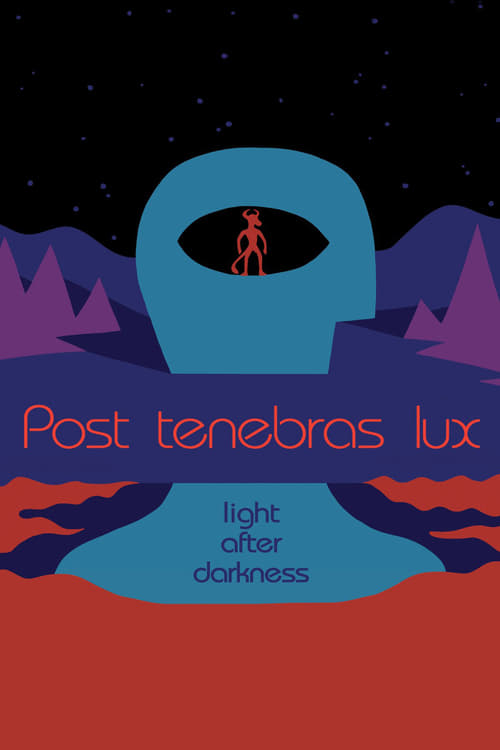
Post Tenebras Lux
2012
No user ratings available yet
Representation score: 7.6 out of 10
Representation Score
Excellent
2018
Not RatedDirector
Carlos Reygadas
Runtime
177 minutes
Average Rating
No ratings yetNew Showbiz Analysis
Carlos Reygadas presents a contemplative exploration of domestic breakdown that challenges conventional power structures. By focusing on Esther's management of the ranch and Juan's emotional state, the film disrupts traditional hierarchies. However, the film does not engage with specific identity-based issues such as LGBTQ+ or disability representation.
Category Breakdown
The film centers on a heterosexual relationship and does not highlight LGBTQ+ identities. It explores an open marriage but does not include explicit non-straight narratives.
Esther is shown taking a leading role in managing the ranch. The film challenges typical male stereotypes by focusing on Juan's emotional vulnerability and jealousy.
The film features a predominantly Mexican cast and a culturally authentic environment. It avoids a Western perspective by grounding the story in a specific region.
The narrative rejects institutional religion in favor of personal, sensory experiences. It redefines the traditional family unit through a secular, postmodern lens.
The film does not include characters with visible or invisible disabilities. The focus remains on the psychological and emotional states of the main characters.
Present on Screen
Limited or Absent
Official Synopsis
A family lives in the Mexican countryside raising fighting bulls. Esther is in charge of running the ranch, while her husband Juan, a world-renowned poet, raises and selects the beasts. Although in an open marriage, their relationship begins to crumble when Esther falls in love with an American horsebreaker and Juan is unable to control his jealousy.
2012

2007
2018
2019

2020
2021
2012

2017
No reviews yet. Be the first to share your thoughts on this movie!
Use the rating form above to leave a star rating and optional review.