
Midnight Swan
2020
No user ratings available yet
Representation score: 8.5 out of 10
Representation Score
Excellent
2005
Director
Isshin Inudo
Runtime
130 minutes
Average Rating
No ratings yetNew Showbiz Analysis
Isshin Inudo’s drama succeeds by centering a queer-led community, effectively challenging conventional standards of family and caregiving. The film's strength lies in its nuanced exploration of chosen kinship and the complex emotional labor required to navigate unconventional domesticity. However, the film remains culturally homogeneous, offering a deep look at Japanese social structures but lacking broad ethnic diversity. The focus on a specific, localized ecosystem limits its representation of broader racial and ethnic diversity. Ultimately, the film is a sophisticated study of human interdependence. It avoids easy moral binaries, opting instead to examine the psychological complexities of aging and the blurring of professional and personal boundaries.
Category Breakdown
The film centers on a nursing home for gay men, redefining the concept of home as a sanctuary for LGBTQ individuals. This setting highlights the unique experiences of these residents.
Saori showcases strong female leadership through her role in emotional labor and caregiving. Her psychological influence within the domestic sphere challenges traditional passive female roles.
The cast is predominantly Japanese, focusing on a localized social structure. While it lacks broad ethnic diversity, it avoids Western-centric biases by presenting a self-contained cultural ecosystem.
The story embraces a 'chosen family' model, deconstructing traditional institutions. It explores moral gray areas, moving away from rigid definitions of family and sanctity.
The film addresses physical and cognitive decline among its elderly residents. It focuses on the systemic realities of dependency and the dignity of those facing chronic health challenges.
Present on Screen
Limited or Absent
Official Synopsis
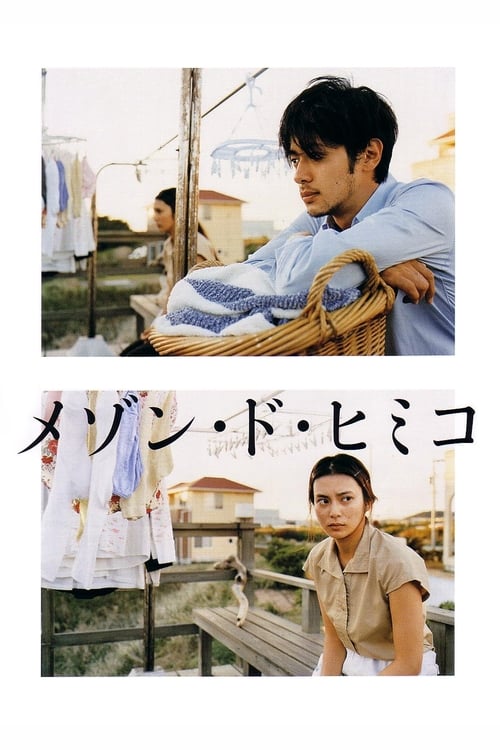
Saori is a young woman struggling to make her way in life. Her gay father, Himiko, had abandoned Saori and her mother years before. Now her father's young lover Haruhiko shows up to tell Saori that her father is dying of cancer. Still angry with her father but in need of money, Saori travels to the House of Himiko, a nursing home established by her father for gay men. Over time, a tenuous relationship begins to develop between Saori, her father, and Haruhiko.
2020

2014

2018

2012

1982

2007

1995

2007
No reviews yet. Be the first to share your thoughts on this movie!
Use the rating form above to leave a star rating and optional review.