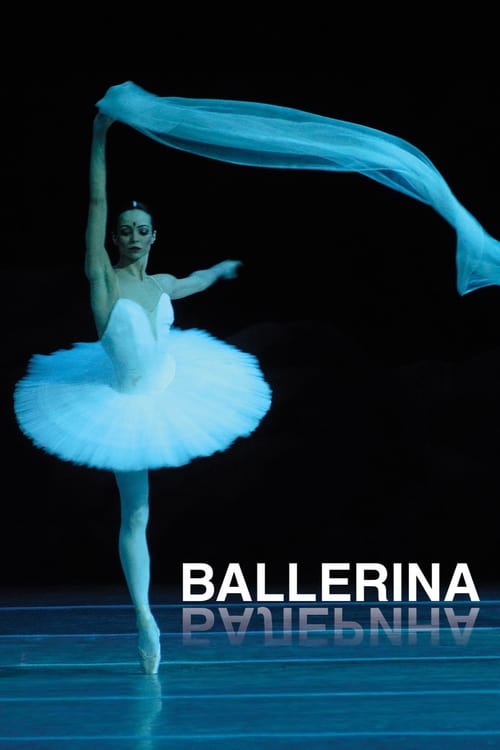
Ballerina
2006
No user ratings available yet
Representation score: 3.9 out of 10
Representation Score
Fair
2020
Director
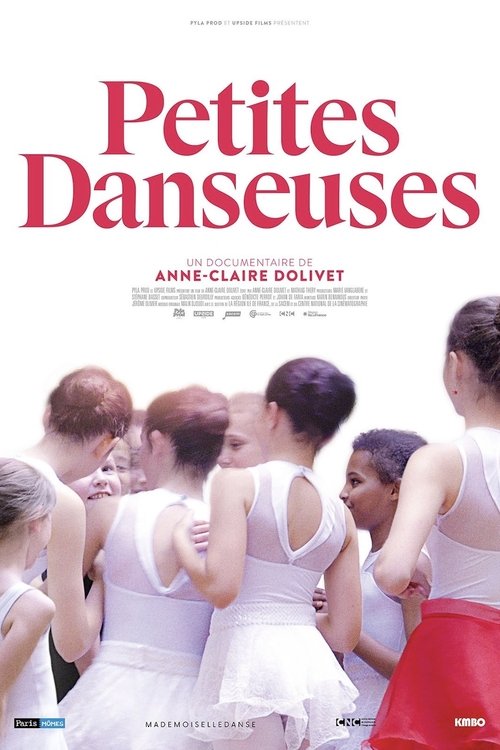
Anne-Claire Dolivet
Runtime
90 minutes
Average Rating
No ratings yetNew Showbiz Analysis
Little Ballerinas provides a sophisticated, psychologically grounded character study that avoids sentimentalism. By focusing on the intense professional and competitive world of ballet, the film captures the raw reality of childhood development. The documentary stands out by avoiding traditional gender clichés and instead delves into the ability to act and emotional landscapes of young girls. However, the film falls short in addressing broader identity politics and systemic critiques, such as racial diversity and LGBTQ+ representation.
Category Breakdown
The film centers on the interpersonal bonds between four young female dancers and does not explicitly address LGBTQ+ identities or dynamics that go beyond straight relationships.
The documentary challenges the idealized view of girlhood by showcasing the girls' active roles and complex personalities, emphasizing their emotional autonomy and competitive spirit.
Specific details regarding the racial composition of the cast are not provided. The score reflects a standard documentary profile mirroring the demographics of the depicted ballet institution.
The film counters the romanticized notion of childhood purity by examining the systemic pressures and moral complexities faced by young dancers in a competitive environment.
There is no indication of characters with visible or invisible disabilities in the film's documentation.
Present on Screen
Limited or Absent
Official Synopsis
Ida, Olympe, Jeanne and Marie dance to the music of pianos, symphonies, contemporary pieces… in ballet school studios, in the streets, even in their bedrooms. They are between 6 and 11 years old. Very fond of each other, they film themselves, comparing and giving one another support. They also tend to annoy one another, are at times envious, even rejecting each other. What is it like for a little girl to grow up in a world of intense professional and competitive dancing? Closely following the emotions and dilemmas experienced by our young characters, this film explores and probes into a territory that we’ve all navigated, though many of us have forgotten: childhood.
2006

2010
2011
2002
2014
2016
2010
2000
No reviews yet. Be the first to share your thoughts on this movie!
Use the rating form above to leave a star rating and optional review.