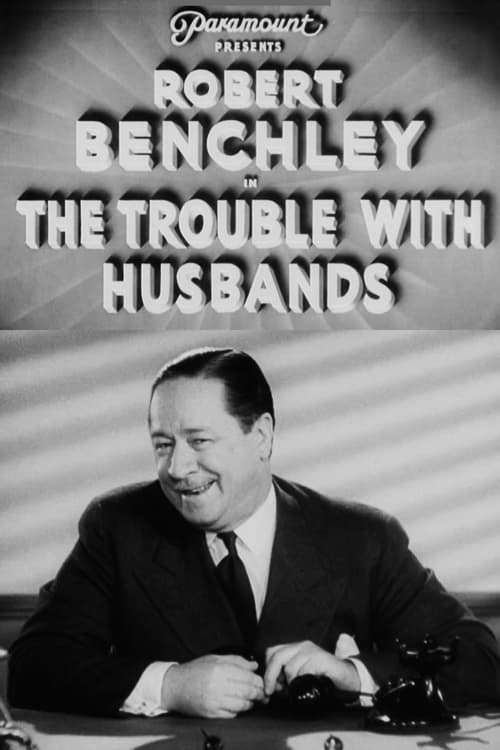
The Trouble with Husbands
1940
No user ratings available yet
Representation score: 1.1 out of 10
No Poster Available
Representation Score
Minimal
1942
Director
Leslie M. Roush
Runtime
9 minutes
Average Rating
No ratings yetNew Showbiz Analysis
The film operates as a mid-century instructional piece that prioritizes a singular, patriarchal viewpoint of domestic life. By framing the narrative around the 'man's angle,' it positions masculine stability against perceived feminine instability. This structural choice reinforces traditional gender hierarchies rather than challenging them. The reliance on anecdotal sketches to illustrate domestic friction suggests a narrow focus on conventional marital dynamics. Overall, the film lacks multi-layered depth, offering no representation of LGBTQ+ identities, diverse racial backgrounds, or disability. It reflects the era's adherence to traditionalist social structures.
Category Breakdown
The film does not include any representation of LGBTQ+ identities or same-sex relationships. It focuses solely on heterosexual couples, emphasizing traditional gender roles.
The film emphasizes the male perspective as the standard for understanding domestic life. Women are portrayed as sources of frustration or confusion, reflecting mid-century gender roles.
The film does not depict any diverse racial backgrounds or multi-layered identities. The narrative focuses on a homogeneous Western demographic typical of the 1942 era.
The story revolves around traditional Western social institutions and the nuclear family. It navigates domestic tensions without critiquing established social orders.
The film does not include any characters with physical, sensory, or neurodivergent traits. The focus remains on the psychological dynamics of gendered conflict.
Present on Screen
Limited or Absent
Official Synopsis
A lecturer on domestic difficulties, having previously discussed the subject from a woman's viewpoint, now proceeds to present the man's perspective. He emphasizes that he wishes to avoid generalizations that would apply to all women. Instead, he plans to present a series of sketches that illustrate possibly isolated examples of some of the ways that particular women have baffled or frustrated their husbands by their behavior.
1940
1949
1922
1939
1950
1942
1959
1941
No reviews yet. Be the first to share your thoughts on this movie!
Use the rating form above to leave a star rating and optional review.