DAU. Nora Mother
2020
No user ratings available yet
Diversity score: 6.3 out of 10
2020
Director
Ilya Khrzhanovsky, Jekaterina Oertel
Runtime
103 minutes
Average Rating
No ratings yetSynopsis
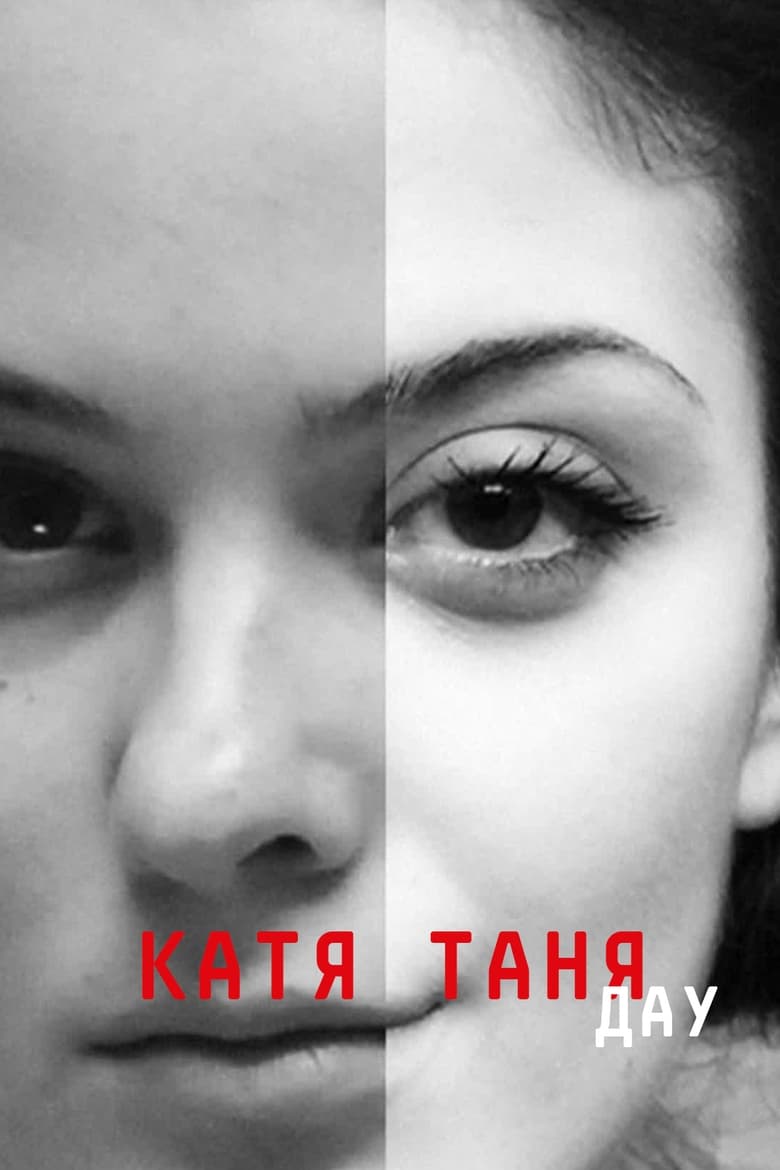
Katya, a young librarian, believes in love, but her ideals are crushed by reality. After a string of disappointing affairs, Katya finally finds tenderness and understanding in the arms of her colleague, a journalist called Tanya. But then the First Department interferes: the state security services see this relationship as unacceptable for a Soviet woman.
Overall Score
Good
Category Breakdown
LGBTQ+ Representation
The film centers on an intimate, non-heteronormative bond between Katya and Tanya. It explores physical and emotional intimacy that exists outside traditional patriarchal structures, critiquing the systemic policing of queer identities.
Gender Representation
The narrative disrupts hierarchies by centering the psychological agency of female protagonists. It frames state security as a masculine, institutional force attempting to suppress female autonomy and relational dynamics.
Racial & Ethnic Diversity
The cast is predominantly Slavic/Russian due to the hyper-realistic reconstruction of a Soviet-era ecosystem. The film does not actively seek to diversify the ethnic composition of its world.
Religious & Cultural Diversity
The film portrays state institutions as oppressive, surveillance-driven, and corrupting. It prioritizes subjective truth and critiques centralized power through a profound exercise in moral relativism.
Disability Representation
There is no significant evidence of characters with visible or invisible disabilities acting as central agents. The focus remains on psychological states and interpersonal dynamics.
Strengths
Areas for Improvement
AI Analysis
DAU. Katya Tanya succeeds as a sophisticated deconstruction of social norms. By centering a queer relationship and female agency, it aggressively disrupts traditional gender roles and challenges patriarchal control. However, the film's impact is constrained by its hyper-specific historical setting. The lack of racial and ethnic variety reflects the Soviet-era simulation, limiting intersectional depth. Ultimately, the film's strength lies in its critique of institutional authority. It uses the tension between personal intimacy and state surveillance to explore the breakdown of social contracts.
2020

2013

2014

2024

2018
1958

2021

2007

2020

1975

2009

2020
No reviews yet. Be the first to share your thoughts on this movie!
Use the rating form above to leave a star rating and optional review.