
Ferrari Ki Sawaari
2012
No user ratings available yet
Diversity score: 4.1 out of 10

2007
Director
Humayun Ahmed
Runtime
110 minutes
Average Rating
No ratings yetSynopsis
An old landlord wants to spend his last days with his family but they don't want to come to his place, so he mimics his own death to bring them.
Overall Score
Fair
Category Breakdown
LGBTQ+ Representation
The film lacks explicit LGBTQ+ characters or narratives. It focuses on conventional familial bonds and traditional orientations typical of 2007 Bangladeshi cinema.
Gender Representation
The story centers on a patriarchal landlord attempting to reclaim his authority. It reflects a traditional family hierarchy without evidence of subverting gender roles.
Racial & Ethnic Diversity
The cast is culturally homogeneous, reflecting the local Bangladeshi context. It avoids whitewashing by operating entirely within its own specific cultural framework.
Religious & Cultural Diversity
The plot explores the friction between the landed class and modern family priorities. It examines traditional morality through the lens of familial loyalty and deception.
Disability Representation
There is no mention of characters navigating physical, neurodivergent, or mental health challenges within the narrative.
Strengths
Areas for Improvement
AI Analysis
Humayun Ahmed’s film is a traditional domestic comedy that prioritizes established social hierarchies and familial obligations. The narrative relies on the psychological maneuvers of a patriarch to maintain traditional structures rather than challenging them. While the film provides a localized representation of Bangladeshi identity, it lacks intersectional complexity. It functions as a reflection of its specific era, focusing on domestic storytelling over the deconstruction of systemic power dynamics.
2012
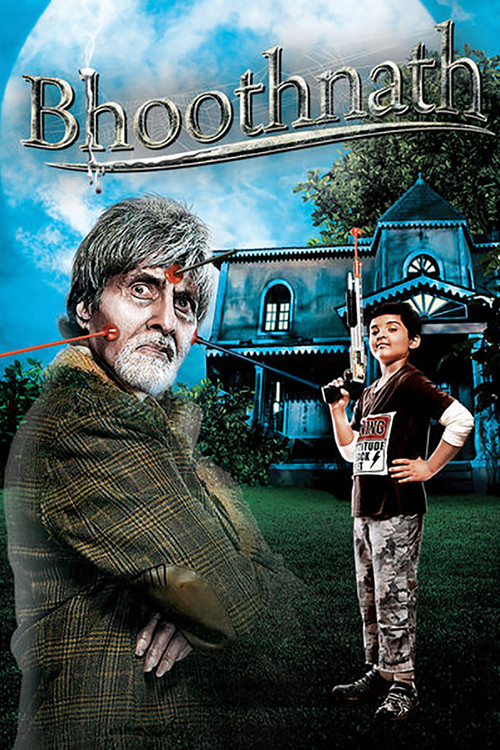
2008
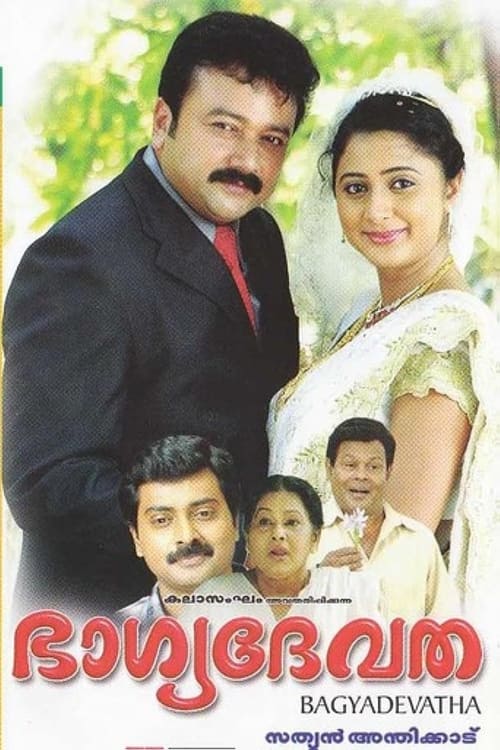
2009
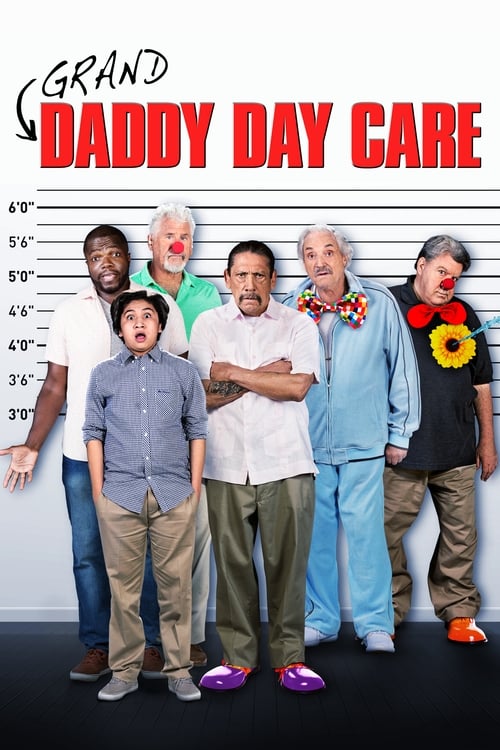
2019

2013
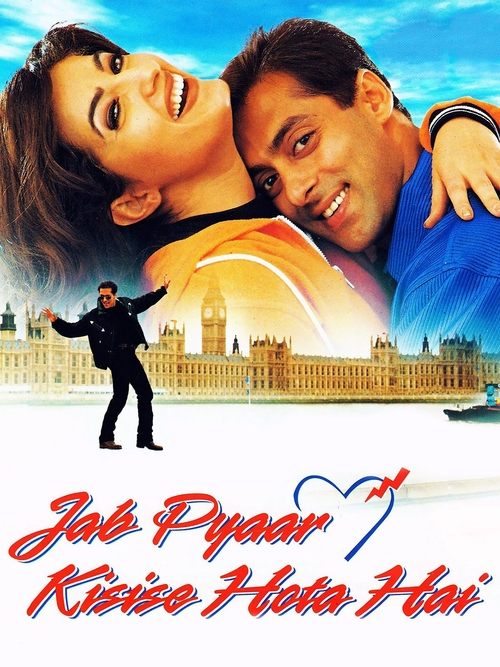
1998

2014
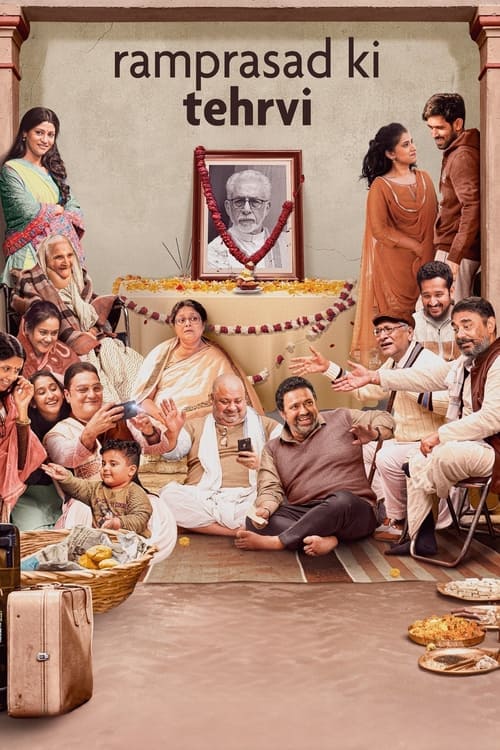
2019
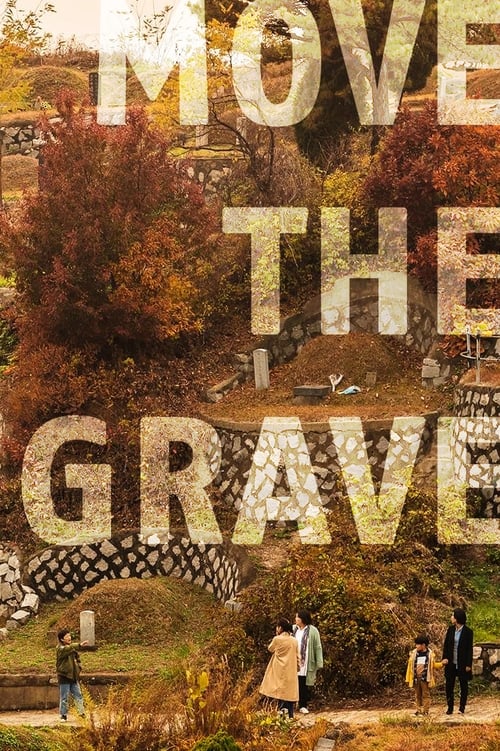
2020

2007

2002
No reviews yet. Be the first to share your thoughts on this movie!
Use the rating form above to leave a star rating and optional review.