The Kids Are Back
2017
No user ratings available yet
Representation score: 5.0 out of 10
Representation Score
Fair
2019
PG-13Director
Ron Oliver
Runtime
91 minutes
Average Rating
No ratings yetNew Showbiz Analysis
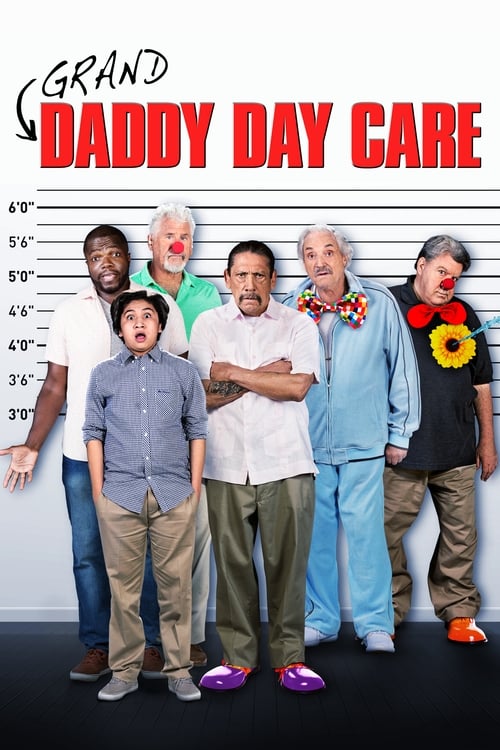
Grand-Daddy Day Care presents a unique look at community resilience by focusing on Black grandfathers in childcare roles. This challenges traditional views of gendered labor and the role of elders in urban settings. By highlighting Black grandfathers as key figures in childcare, the film shifts away from mainstream narratives that sideline elderly Black men. Instead, it positions them as vital mentors and stabilizers within the community. Though the film lacks explicit LGBTQ+ or disability-focused narratives, its strong portrayal of racial and gender subversion makes it a notable example of progressive documentary storytelling.
Category Breakdown
The film does not include any explicit LGBTQ+ stories or characters with non-conforming gender identities. It focuses solely on traditional heterosexual families.
The documentary challenges traditional gender roles by showing men actively involved in nurturing and domestic care. This contrasts with the typical image of men as distant figures.
With an all-Black cast, the film explores the complexities of Black masculinity and community life in Los Angeles. It avoids focusing on a white perspective.
The story emphasizes the importance of community support and traditional family structures. It highlights the role of elders in maintaining social stability.
The film does not feature any characters with visible or invisible disabilities that significantly impact the storyline.
Present on Screen
Limited or Absent
Official Synopsis
A man has to figure out a way to make extra money when his father-in-law moves in.
2017
2003
2021

2009
2012
2022

2020
2020
No reviews yet. Be the first to share your thoughts on this movie!
Use the rating form above to leave a star rating and optional review.