
Oh! Brothers
2003
No user ratings available yet
Representation score: 4.1 out of 10
Representation Score
Fair
2020
Director
Jeong Seung-o
Runtime
95 minutes
Average Rating
No ratings yetNew Showbiz Analysis
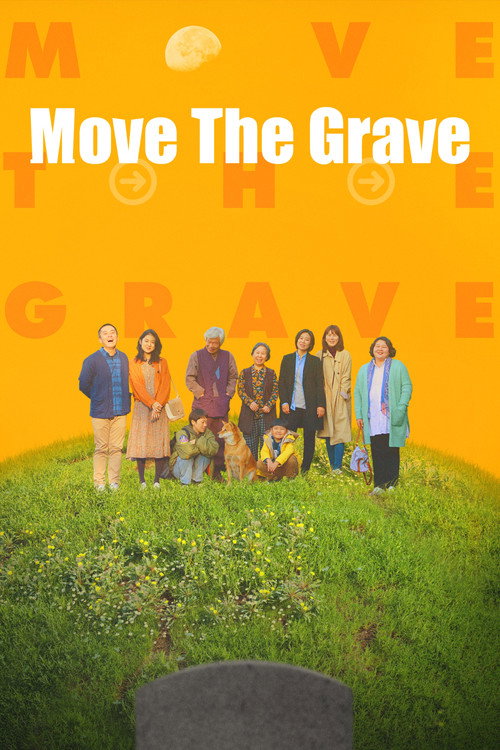
Move the Grave examines the tension between traditional family structures and the encroachment of modern urban development. The film uses a dysfunctional family framework to explore the erosion of patriarchal continuity and ancestral heritage. The narrative's strength lies in its critique of how modernization projects disrupt social structures. By focusing on the conflict surrounding the removal of a father's grave, the film highlights the tension between indigenous practices and globalization. However, the film remains limited in its explicit representation of underrepresented identities, particularly regarding LGBTQ+ or disability representation.
Category Breakdown
The film does not explicitly include non-straight identities. Although there is potential for queer subtext in the sibling reunion scene, it is not confirmed.
The film centers on female characters such as Hye-yeong, who drive the plot. It shifts away from male-dominated narratives by focusing on a woman's response to bureaucratic changes.
Operating within a South Korean context, the film explores the tension between traditional local customs and modern development.
The story critiques the impact of state-driven capitalism on ancestral traditions. It moves away from Confucian ideals of filial piety toward a more modern, individualistic view of family.
There is no evidence within the narrative to suggest the presence of characters with visible or invisible disabilities.
Present on Screen
Limited or Absent
Official Synopsis
A dysfunctional family is forced begrudgingly into an instant reunion when they have to move their father's grave due to construction. Hye-yeong receives a letter of notification that her father's grave should be forcibly removed due to modernization projects. Hye-yeong and the sisters are gathered in a long time, but only the brother cannot be reached easily.
2003

2018

2013

2016

1996

2024

2010

2022
No reviews yet. Be the first to share your thoughts on this movie!
Use the rating form above to leave a star rating and optional review.