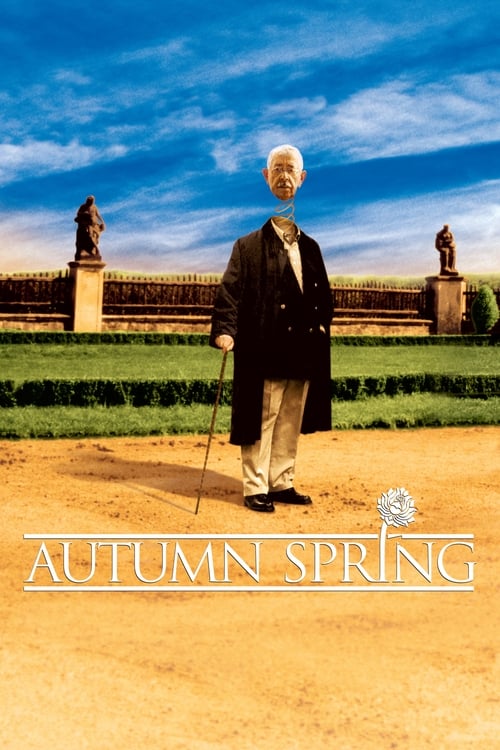
Autumn Spring
2001
No user ratings available yet
Diversity score: 3.2 out of 10

2002
Director
Jean-François Stévenin
Runtime
117 minutes
Average Rating
No ratings yetSynopsis
An old man in dressing gown and slippers is abandoned by his family on an area of highway while on vacation. He later finds himself in a hospital where a nurse, Gégène, calls him Mischka.
Overall Score
Fair
Category Breakdown
LGBTQ+ Representation
The film offers no explicit evidence of LGBTQ+ characters or non-heteronormative identities. The narrative focus remains centered on abandonment and medical care.
Gender Representation
The story subverts patriarchal hierarchies by depicting the breakdown of the traditional family structure. The protagonist's abandonment suggests a rejection of the respected patriarch role.
Racial & Ethnic Diversity
There is no evidence of a diverse or non-Anglo-Saxon majority cast. The setting and character names suggest a localized, homogeneous European context.
Religious & Cultural Diversity
The film critiques the sanctity of the nuclear family by portraying it as a source of neglect. It emphasizes a shift toward institutional or situational identity.
Disability Representation
The narrative centers on age-related frailty and physical dependency. The protagonist's vulnerability is highlighted through his abandonment and subsequent hospitalization.
Strengths
Areas for Improvement
AI Analysis
Mischka functions as a critique of traditional social institutions, specifically targeting the idealized family trope. By presenting the domestic sphere as a site of neglect rather than stability, the film deconstructs the nuclear family unit. The narrative prioritizes the individual's experience within institutional settings over traditional social structures. While it lacks explicit markers for racial or LGBTQ+ diversity, it offers a skeptical view of Western social norms. Ultimately, the film explores the friction between individuals and the systems meant to support them, moving from familial identity toward a more fluid, situational sense of belonging.
No reviews yet. Be the first to share your thoughts on this movie!
Use the rating form above to leave a star rating and optional review.