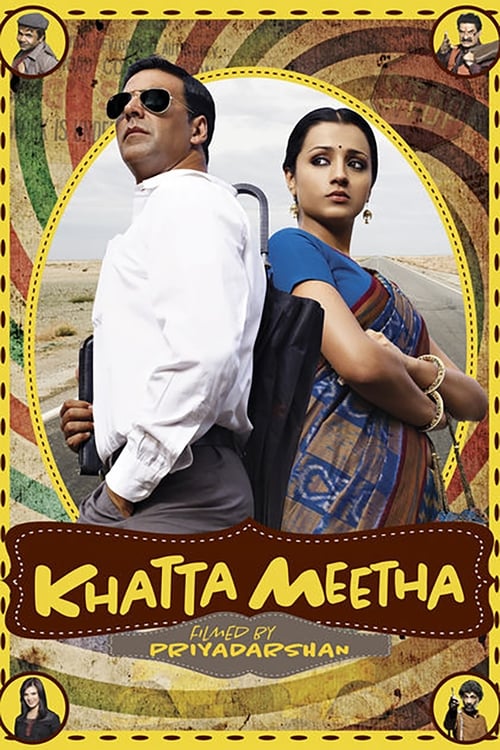
Khatta Meetha
2010
No user ratings available yet
Representation score: 6.2 out of 10

Representation Score
Fair
2014
Director
Abhishek Jain
Runtime
155 minutes
Average Rating
No ratings yetNew Showbiz Analysis
Bey Yaar is a social drama that highlights the clash between individuals and established systems. It delves into the breakdown of rigid societal norms and the importance of personal autonomy. While the film offers a sophisticated view of ethics and moral ambiguity, it remains confined to straight-centered dynamics and lacks representation of disabled characters. Its strength lies in its authentic portrayal of a specific urban Indian context and its nuanced exploration of generational conflicts.
Category Breakdown
The story focuses on heterosexual romance and male friendships. It doesn't include non-binary or transgender identities or challenge the idea that everyone is straight.
The film looks at the tension between traditional male roles and personal freedom. It shows protagonists fighting against strict family rules.
Set in Ahmedabad, the film features a cast that reflects a specific urban Indian community. It highlights a particular regional and socioeconomic environment.
The narrative explores moral flexibility and relative ethics. It portrays traditional families as sources of emotional strain rather than support.
There are no characters with visible or invisible disabilities that play a key role in the story or plot.
Present on Screen
Limited or Absent
Official Synopsis
In the desperation to earn quick money, two best friends put their moral values at stake and end up losing their pride and dignity. They then choose a wrong path to set things right and snatch back what was rightfully theirs.
2010
2006

2008
2006

2019

2010
1993
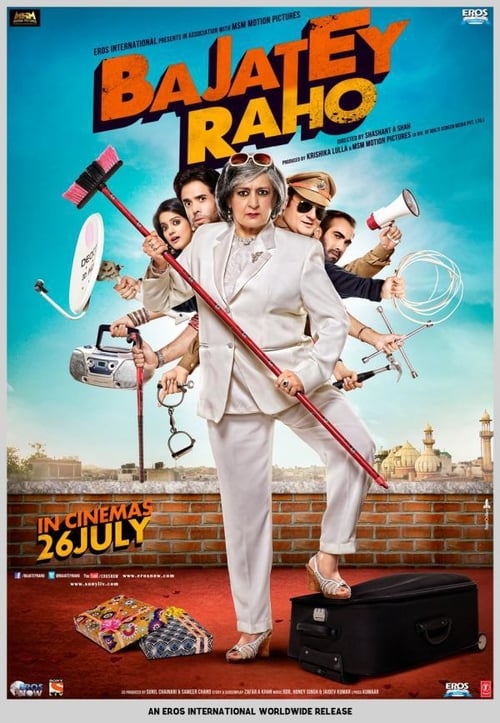
2013
No reviews yet. Be the first to share your thoughts on this movie!
Use the rating form above to leave a star rating and optional review.