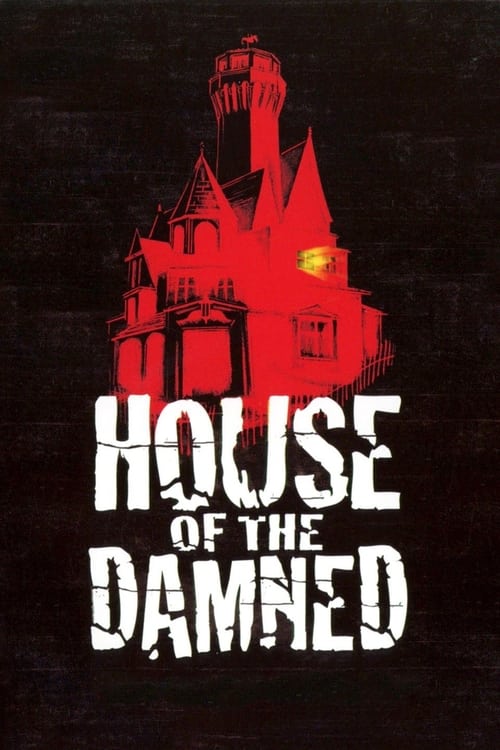
House of the Damned
1963
No user ratings available yet
Diversity score: 2.2 out of 10

1944
NRDirector
Will Jason
Runtime
62 minutes
Average Rating
No ratings yetSynopsis
A man recovers on his death bed after his wife makes a mysterious pact with a strange woman. But is he really alive?
Overall Score
Minimal
Category Breakdown
LGBTQ+ Representation
The film focuses on a traditional marital unit and supernatural conflict. There is no evidence of non-cisnormative identities or narratives that critique heteronormativity.
Gender Representation
Ann drives the plot through domestic desperation, while Lilyan Gregg provides a manipulative, assertive female presence. Male characters reinforce conventional mid-century archetypes like the physician and pastor.
Racial & Ethnic Diversity
The cast appears to be a homogeneous, Anglo-Saxon group typical of 1940s horror. There is no indication of racial blending or non-white protagonists.
Religious & Cultural Diversity
The story uses spirituality as a moral touchstone, pitting a pastor against occultism. It follows a classic moralistic arc rather than deconstructing Western values.
Disability Representation
Medical crises and near-death states serve as supernatural horror tropes. The protagonist's physiological anomalies are used for suspense rather than exploring disability or neurodivergence.
Strengths
Areas for Improvement
AI Analysis
The Soul of a Monster is a standard 1940s B-movie horror that adheres strictly to the social and cinematic constraints of its era. The narrative architecture relies on traditional tropes of marriage, morality, and religious conflict to drive its supernatural suspense. Because the film operates within established genre conventions, it lacks the intentionality needed to disrupt social hierarchies. It prioritizes a classic moralistic arc over the exploration of identity or the subversion of cultural norms. Ultimately, the production functions as a conventional horror-noir. It reflects the period's standard heteronormative and homogeneous structures without offering nuanced or intersectional representation.
1963
1946
1942
1963
1952
1946
1956
1976
1964
1920
No reviews yet. Be the first to share your thoughts on this movie!
Use the rating form above to leave a star rating and optional review.