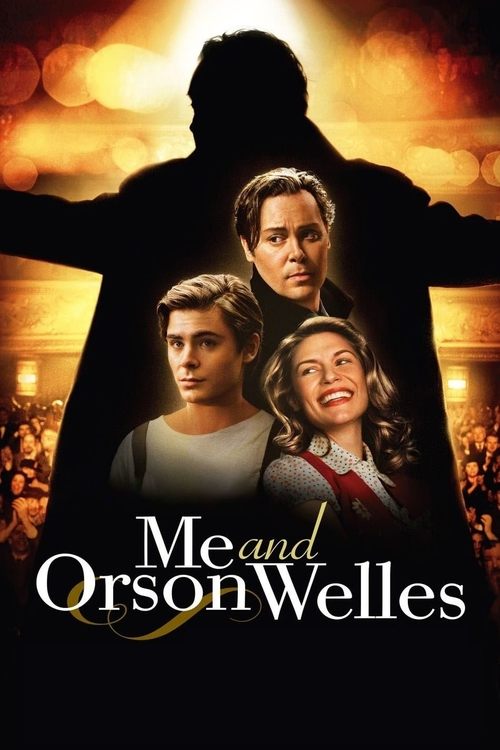
Me and Orson Welles
2008
No user ratings available yet
Representation score: 3.5 out of 10
Representation Score
Fair
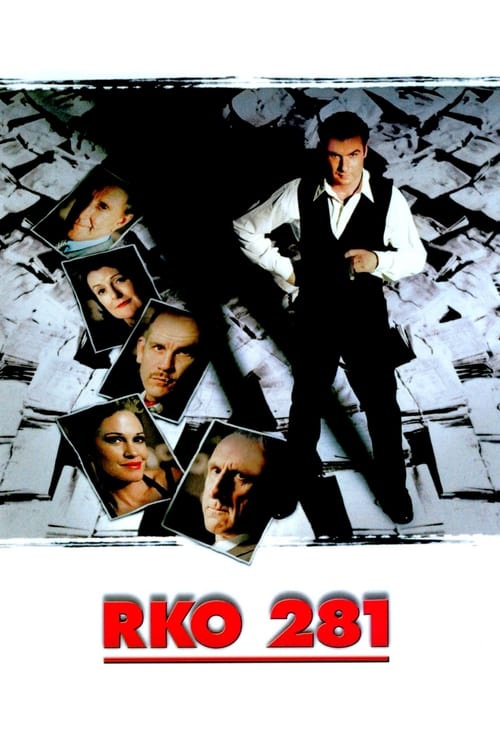
1999
RDirector
Benjamin Ross
Runtime
84 minutes
Average Rating
No ratings yetNew Showbiz Analysis
RKO 281 is a sophisticated deconstruction of historical events that prioritizes psychological complexity over traditional biographical reverence. It succeeds in challenging the standard Anglo-centric historical gaze by providing a nuanced portrayal of immigrant identity and systemic instability. While the film lacks contemporary multi-layered breadth, particularly regarding LGBTQ+ visibility and gender parity, it excels in its thematic critique of Western institutional stability. The non-linear structure effectively mirrors the protagonist's mental state, adding layers to the historical drama. Ultimately, the film functions as a progressive narrative that favors the complexities of underrepresented experiences and anti-establishment sentiment over traditionalist myth-making.
Category Breakdown
The film focuses on the political and psychological landscapes of the 1930s. There is no clear representation of LGBTQ+ identities or critiques of the assumption that everyone is straight or cisgender.
The narrative centers on a male-dominated sphere of media industry maneuvering and political upheaval. Female characters are mostly in peripheral or traditional roles.
The film explores the Italian-American immigrant experience through Giuseppe Zangara. It provides depth to a underrepresented demographic by centering the socioeconomic struggles of immigrant communities.
The story critiques established power structures and anti-capitalist sentiment. It uses moral relativism to explore political radicalism and the breakdown of social order during the 1930s.
The film offers a study of psychological fragmentation and neurodivergence. However, it risks using mental instability primarily as a stylistic device for historical tension.
Present on Screen
Limited or Absent
Official Synopsis
In 1939, boy-wonder Orson Welles leaves New York, where he has succeeded in radio and theater, and, hired by RKO Pictures, moves to Hollywood with the purpose of making his first film.
2008

2001
2009

2016

2025
2020
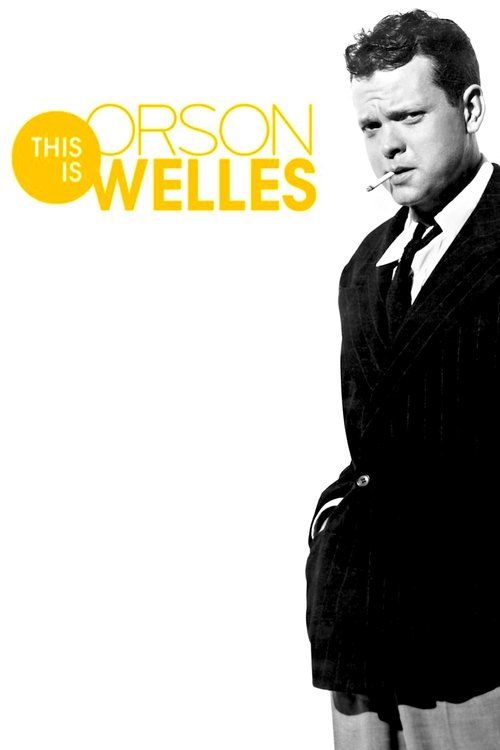
2015

2016
No reviews yet. Be the first to share your thoughts on this movie!
Use the rating form above to leave a star rating and optional review.