Good Night, and Good Luck.
2005
No user ratings available yet
Representation score: 1.3 out of 10
Representation Score
Fair
2020
RDirector
David Fincher
Runtime
132 minutes
Average Rating
No ratings yetNew Showbiz Analysis
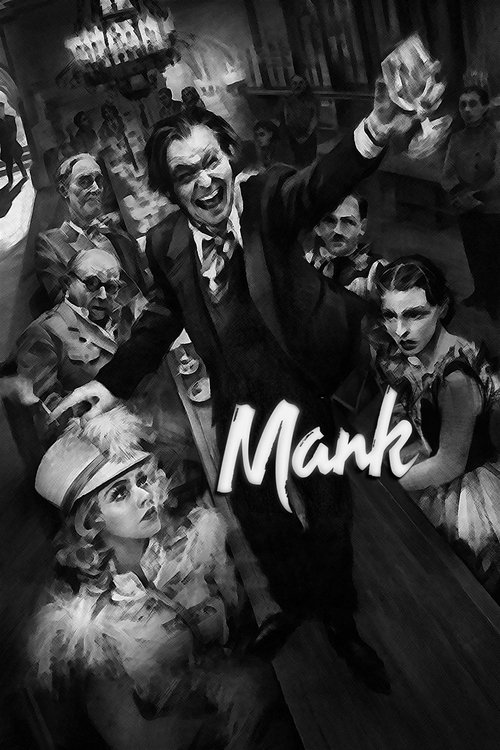
Mank is a period piece that prioritizes historical accuracy over demographic variety. While the cast reflects the exclusionary, white-dominated Hollywood elite of the 1930s, the film's strength lies in its thematic depth rather than its social breadth. The narrative structure challenges the 'Great Man' myth by focusing on the corruption of individual ability to act by capitalist structures and the fragility of the male protagonist. Ultimately, the film trades demographic diversity for a sophisticated exploration of systemic oppression and the subjective nature of authorship and history.
Category Breakdown
The film highlights the social structures of 1930s Hollywood that assume everyone is straight or cisgender. It doesn't include narratives that question these norms through a queer lens.
Professional roles are primarily held by male characters, but Marion provides a nuanced perspective on the protagonist's decline. The film also shows an unheroic side of masculinity through themes of addiction and instability.
The cast mainly consists of Anglo-Saxon actors, reflecting the white-dominated Hollywood studio system of the time. The narrative avoids casting actors of different races in roles traditionally associated with white characters.
The film excels in criticizing the Hollywood studio system as a monolithic, capitalist entity. It explores the subjectivity of historical truth and the struggle for individual autonomy against oppressive structures.
The narrative offers a realistic look at substance abuse and cognitive decline. However, it lacks representation of other visible or invisible disabilities.
Present on Screen
Limited or Absent
Official Synopsis
1930s Hollywood is reevaluated through the eyes of scathing social critic and alcoholic screenwriter Herman J. Mankiewicz as he races to finish the screenplay of Citizen Kane.
2005
1937

1995
1945

2021

2017

2016
1981
No reviews yet. Be the first to share your thoughts on this movie!
Use the rating form above to leave a star rating and optional review.