Breakfast at Tiffany's
1961
No user ratings available yet
Representation score: 3.5 out of 10
Representation Score
Good
2016
PG-13Director
Woody Allen
Runtime
97 minutes
Average Rating
No ratings yetNew Showbiz Analysis
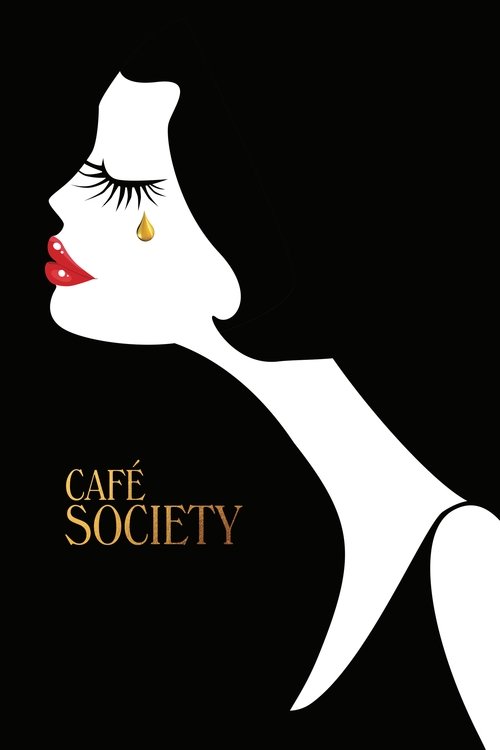
Café Society stands out for its portrayal of queer intimacy as a central theme. The film emphasizes the emotional bond between Von and Lady Chelsea, making queer relationships a pivotal part of the narrative. The movie also effectively dismantles the notion of social hierarchy. It uses the luxurious setting of the 1930s to criticize the performative nature of social status and the emptiness of elite institutions. However, the racial diversity in the film is limited. While the jazz elements bring cultural variety, the main storyline focuses on the white upper class, relegating the rich musical culture to a supporting role.
Category Breakdown
The film highlights a deep romantic relationship between the female leads Von and Lady Chelsea. This queer connection shapes the main character's growth and challenges the societal norms of the 1930s.
Women play key roles in driving the story who play a significant role in driving the story and depth. The film passes the Bechdel test, but it sometimes relies on conventional romantic storylines.
The jazz subculture of the 1930s adds cultural richness through the presence of diverse musicians. However, this representation remains secondary to the narrative centered around the white upper class.
The film critiques the superficial nature of high society in the 1930s. It portrays the elite class as hollow and artificial, highlighting the tension between genuine living and capitalist pursuits.
There are no significant representations of visible or invisible disabilities that play central roles in the plot or character development.
Present on Screen
Limited or Absent
Official Synopsis
The story of a young man who arrives in Hollywood during the 1930s hoping to work in the film industry, falls in love, and finds himself swept up in the vibrant café society that defined the spirit of the age.
1961
1928
2017
1937
2022
1936
2016
1928
No reviews yet. Be the first to share your thoughts on this movie!
Use the rating form above to leave a star rating and optional review.