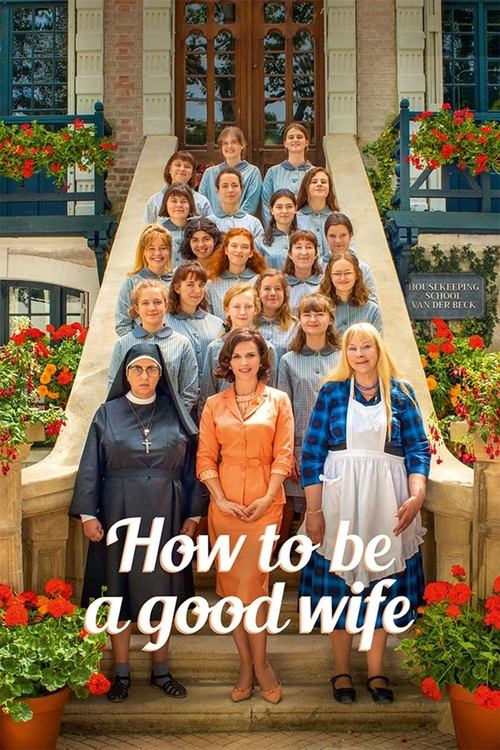
How to Be a Good Wife
2020
No user ratings available yet
Diversity score: 6.5 out of 10
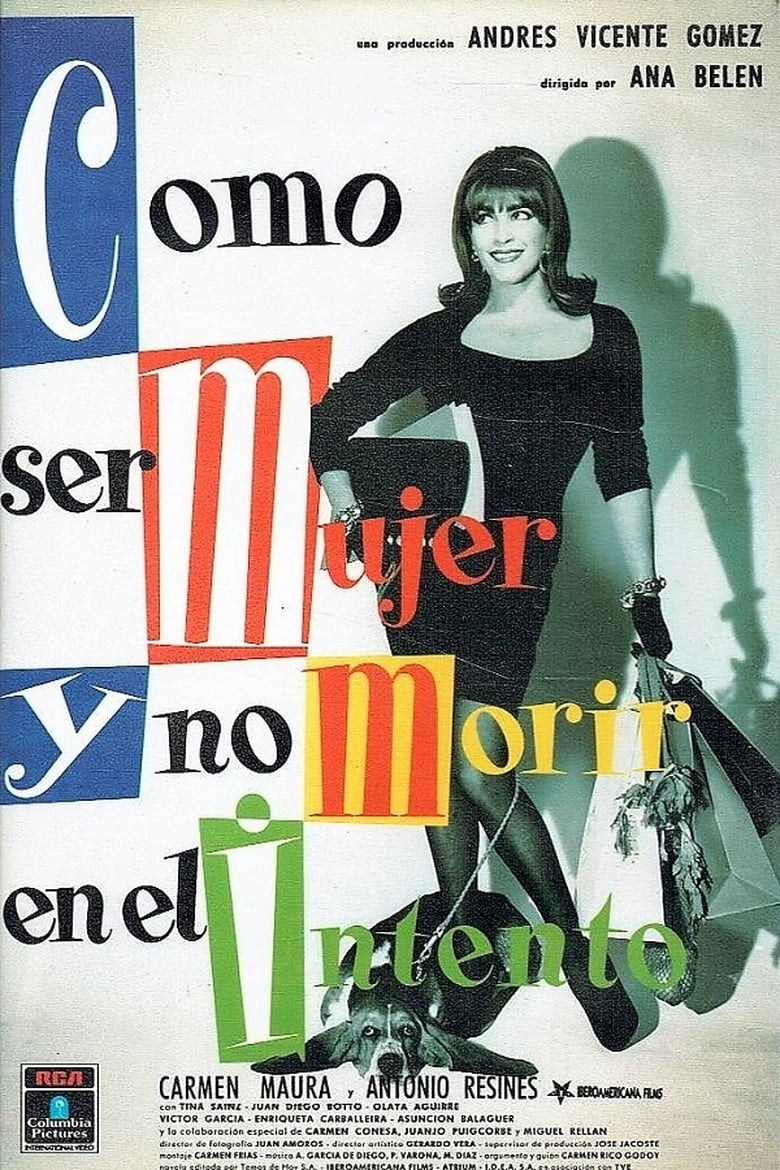
1991
Director
Ana Belén
Runtime
100 minutes
Average Rating
No ratings yetSynopsis
Carmen, a journalist with two children, is on her third marriage, to Antonio, a record producer. Over the course of a year, we follow her through her discontents: Antonio's lateness, his fatigue when she wants to make love, his insistence on her company when she prefers solitude, his treating her work as less important than his, his casual and cruel dismissal of her opinions, her boss assigning her an incompetent editor, bartenders ignoring her, her passage into middle age. She can be feisty and edgy, which sometimes gets in the way of what would make her happy. And she regularly threatens to leave Antonio. Will she, and on what terms? What will he do?
Overall Score
Fair
Category Breakdown
LGBTQ+ Representation
The narrative focuses on a heterosexual marriage and lacks explicit mention of LGBTQ+ characters. It centers on traditional romantic discontent rather than non-heteronormative identities.
Gender Representation
Carmen serves as the intellectual and emotional core, subverting traditional hierarchies. The film highlights the imbalance of power by depicting her husband's dismissal of her professional and intellectual agency.
Racial & Ethnic Diversity
The story occupies a localized, homogeneous social sphere. There is no evidence of a diverse or non-Anglo-centric cast within the provided narrative.
Religious & Cultural Diversity
The film critiques Western social institutions like the nuclear family. It portrays marriage and professional hierarchies as sources of systemic discontent rather than sites of fulfillment.
Disability Representation
No characters are identified with visible or invisible disabilities. The current information provides no basis for assessing representation in this category.
Strengths
Areas for Improvement
AI Analysis
The film excels at deconstructing gender dynamics, placing a woman's professional and emotional autonomy at the forefront. By framing the male lead as emotionally unavailable and dismissive, it challenges conventional domestic tropes. However, the narrative lacks intersectional depth. The focus remains strictly on a middle-class, homogeneous social environment, leaving little room for racial or LGBTQ+ perspectives. Ultimately, while it offers a sharp critique of traditional marriage and professional hierarchies, the narrow social scope limits its overall diversity impact.
2020
1978

2001

2008
1994

2005

2017
2009
1974

2020

2010

2014
No reviews yet. Be the first to share your thoughts on this movie!
Use the rating form above to leave a star rating and optional review.