
The Parisian Bitch
2015
No user ratings available yet
Representation score: 5.4 out of 10
Representation Score
Fair
2016
TV-MADirector
Denis Imbert
Runtime
88 minutes
Average Rating
No ratings yetNew Showbiz Analysis
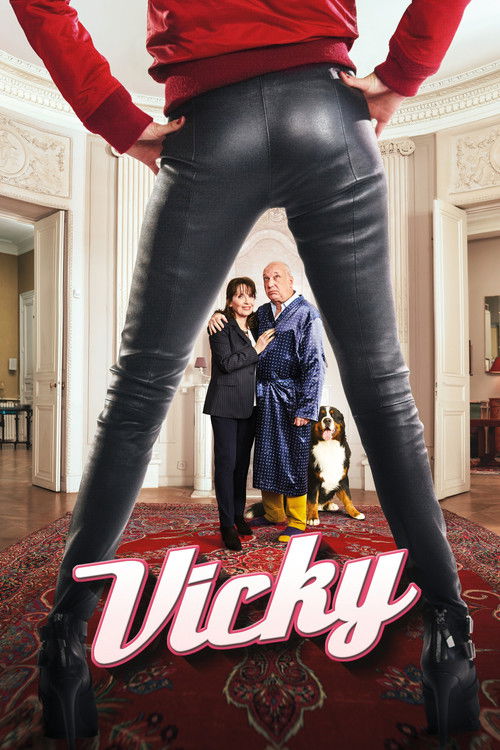
Vicky is a character-driven comedy that excels in subverting traditional gender roles. By focusing on a woman's quest for autonomy, it effectively challenges the stereotype of the submissive daughter and critiques restrictive patriarchal norms. However, the film's impact is limited by its lack of diversity. The narrative remains confined to a homogeneous, Eurocentric social framework, offering little representation for diverse racial or ethnic backgrounds. While the film explores sexual freedom, it does so through a strictly heterosexual lens. The absence of LGBTQ+ perspectives prevents the story from fully challenging broader societal norms regarding identity and orientation.
Category Breakdown
The story focuses on heterosexual romance and sexual awakening, but it does not include characters with non-binary genders or queer identities. There are no explicitly LGBTQ+ storylines.
Victoire's journey challenges traditional gender roles by emphasizing her emotional and personal independence. Her pursuit of sexual and personal freedom subverts the typical patriarchal narrative.
The cast appears homogeneous, with no visible diversity in ethnicity or cultural backgrounds. The setting is traditionally Eurocentric, centered in the French Alps.
The narrative critiques traditional family structures and social norms, presenting individual liberation and the breakdown of the nuclear family as positive outcomes.
There are no characters with visible or invisible disabilities. The film does not use disability as a narrative element.
Present on Screen
Limited or Absent
Official Synopsis
A 30-year-old woman, Victoire, the youngest member of the famous Bonhomme family and the tribe's well-behaved child, finally decides to emancipate herself by discovering alcohol, sex and... her voice. Thanks to Elvis and Banjo, a bar singer, she manages to take flight by singing about love with modesty and sex without taboos, and takes her mother with her, much to the dismay of her father and brother.
2015

1999

2016

2017

2020
2020

2013

2018
No reviews yet. Be the first to share your thoughts on this movie!
Use the rating form above to leave a star rating and optional review.