
Rockers
1979
No user ratings available yet
Representation score: 3.3 out of 10
Representation Score
Minimal
1975
PGDirector
John G. Avildsen
Runtime
91 minutes
Average Rating
No ratings yetNew Showbiz Analysis
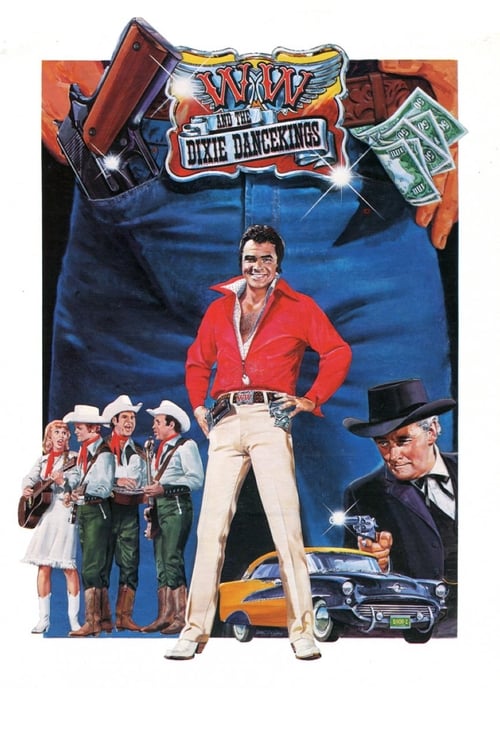
W.W. and the Dixie Dancekings is a product of its time, relying heavily on established cinematic clichés and conventional social hierarchies. While the 'noble outlaw' archetype offers a minor critique of local corruption, the film lacks the intentionality to challenge broader systemic norms. The demographic profile is notably homogeneous, particularly regarding race and sexual orientation. The narrative focuses on traditional Southern social structures and localized competition rather than exploring diverse identities or perspectives. Ultimately, the film reflects 1975 social conventions, prioritizing character-driven underdog archetypes over any meaningful disruption of gender, racial, or identity-based status quos.
Category Breakdown
The film does not include any LGBTQ+ characters or non-cisgender identities, operating within a strictly heterosexual framework.
Women in the film seek to drive the story through professional dance competitions, but the narrative stays within traditional gender roles typical of mid-70s cinema.
The cast is predominantly white, with no significant effort to include non-white perspectives or diversify the rural Southern setting.
The story explores conflicts between personal freedom and religious authority, but it maintains a conventional moral stance without challenging broader social institutions.
The film does not feature any characters with visible or invisible disabilities, nor does it integrate neurodivergent or physically disabled individuals into the story.
Present on Screen
Limited or Absent
Official Synopsis
W.W. Bright is a robber with a heart of gold who travels the South knocking off banks and gas stations owned by a corrupt businessman. When he hijacks a car, he meets an aspiring country band, the Dixie Dancekings, led by Dixie. The two sides eventually take a liking to one another, especially after the Dancekings realize the size of Bright's thefts. Trailed by religious zealot cop Deacon Gore, Bright helps the band make it big while on the run.
1979
1972
1961

1974
1996
1974
1977
1979
No reviews yet. Be the first to share your thoughts on this movie!
Use the rating form above to leave a star rating and optional review.