
Quasi quasi…
2002
No user ratings available yet
Representation score: 7.5 out of 10
Representation Score
Limited
1990
Director
Gabriele Salvatores
Runtime
91 minutes
Average Rating
No ratings yetNew Showbiz Analysis
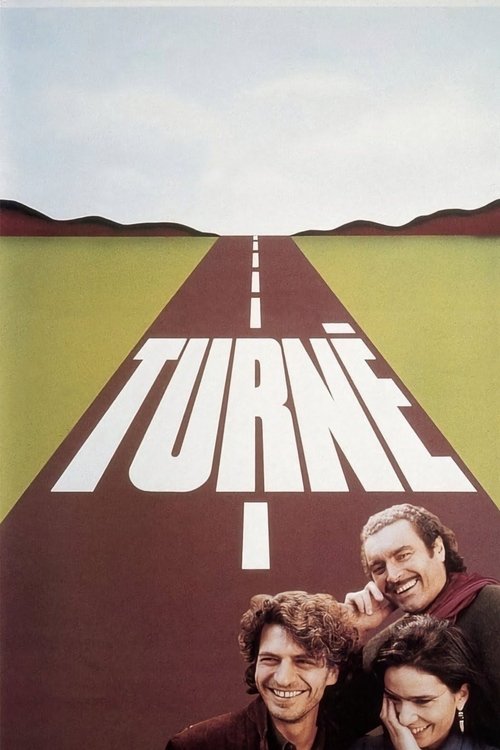
Turné is a character study of young men escaping Fascist Italy, focusing on personal freedom rather than nationalist expectations. However, the film remains rooted in the social hierarchies of its time, with a male-dominated narrative and a colonial perspective where Africa serves as a stage for European self-discovery. Despite this, the film's strength lies in its critique of oppressive institutions and its exploration of personal liberation.
Category Breakdown
The film focuses on male friendships and interpersonal conflicts without depicting non-straight relationships or same-sex intimacy.
It follows a traditional masculine storyline set in a colonial era, lacking significant roles for women or challenging gender hierarchies.
The story uses an African landscape as a backdrop for European characters, with limited depth given to local characters.
The film excels in criticizing traditional Western institutions and Fascist authority, emphasizing personal liberation and anti-authoritarian themes.
There is no significant portrayal of physical or neurodivergent disabilities in the film.
Present on Screen
Limited or Absent
Official Synopsis
Two stage actors leave on a tournée, but there's a matter to be settled: one has become the lover of the other's girlfriend and since they are very good friends, cannot bring himself to tell him.
2002

2000

1990
1975
1990

2015
2010
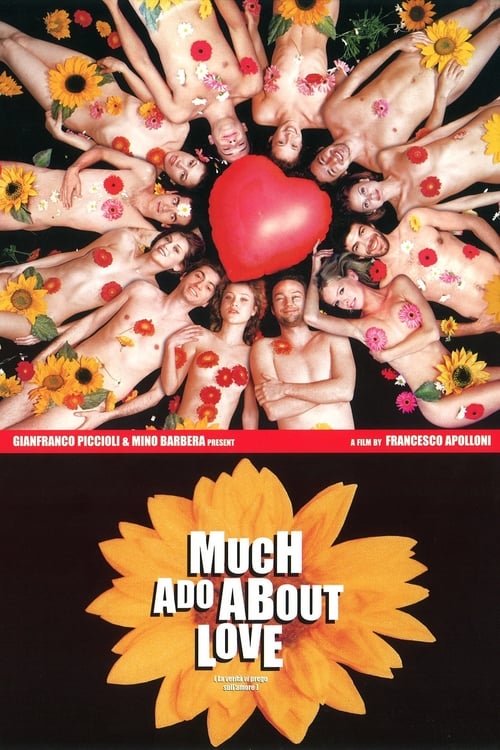
2001
No reviews yet. Be the first to share your thoughts on this movie!
Use the rating form above to leave a star rating and optional review.