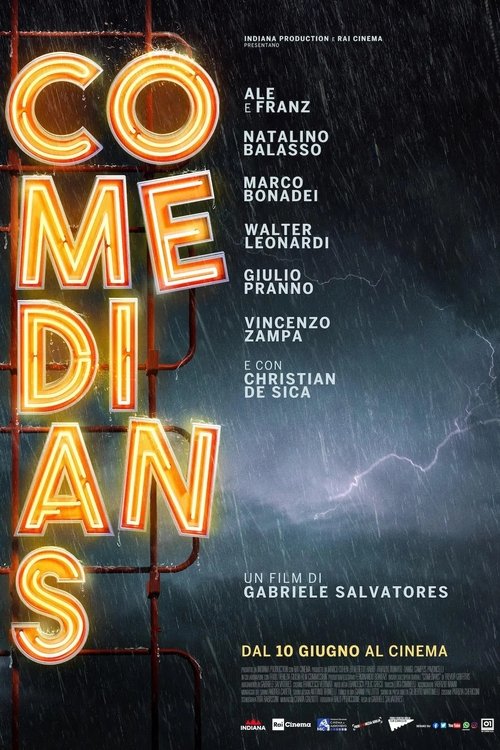
Comedians
2021
No user ratings available yet
Representation score: 5.4 out of 10
Representation Score
Fair
1987
Director
Gabriele Salvatores
Runtime
92 minutes
Average Rating
No ratings yetNew Showbiz Analysis
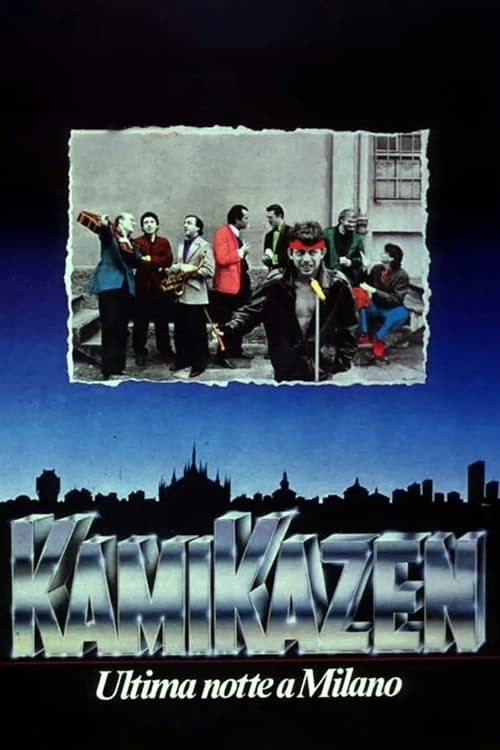
Kamikazen is a culturally subversive work that prioritizes thematic deconstruction over demographic breadth. It excels at critiquing the superficiality of the 'Milano da bere' era and challenging traditional social structures through a postmodernist lens. However, the film lacks multi-layered depth. The casting is largely homogeneous, focusing on a specific white Italian demographic, and LGBTQ+ identities are treated as incidental rather than central to the plot. Ultimately, the film's strength lies in its structural rebellion against capitalism and traditional morality, even if it fails to provide diverse representation across race or disability.
Category Breakdown
The film captures the transient sexual encounters of Milanese nightlife. However, it lacks centralized LGBTQ+ identities, treating queer themes as incidental to a broader landscape of casual hedonism.
Masculinity is portrayed through aimlessness and existential boredom rather than traditional strength. The film disrupts hierarchies by replacing stable patriarchal archetypes with chaotic, non-committal social dynamics.
The cast and setting are predominantly white and Italian. The narrative functions as a localized study of a specific, homogeneous 1980s Milanese youth subculture.
The film offers a sharp critique of late-capitalist consumer culture. It uses a postmodernist framework to frame the characters' lack of direction as a symptom of a hollow environment.
There is no significant evidence regarding the portrayal of physical or neurodivergent disabilities within the narrative.
Present on Screen
Limited or Absent
Official Synopsis
A group of comedians are trying to be successful on stage. One night an important television network organises a public variety show to sort out some performers for their programs. Every one of them will try their hardest, but just a few will be chosen.
2021

2011
1980
1981
1988
1964

1958
1979
No reviews yet. Be the first to share your thoughts on this movie!
Use the rating form above to leave a star rating and optional review.