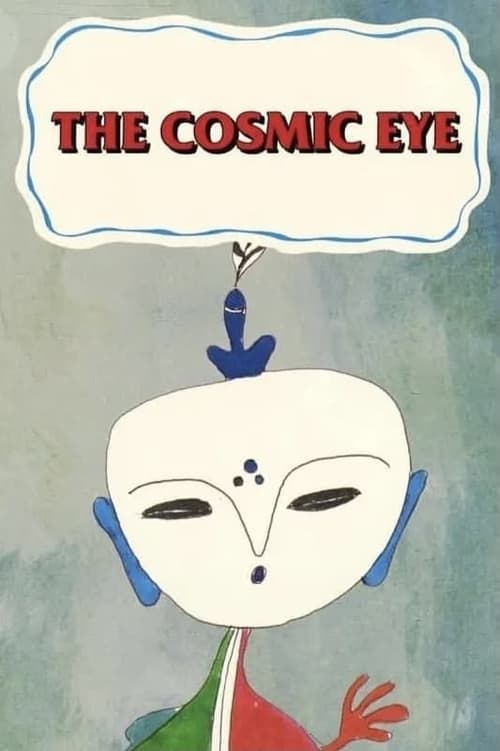
The Cosmic Eye
1986
No user ratings available yet
Representation score: 6.5 out of 10
Representation Score
Fair
1974
Director
Faith Hubley, John Hubley
Runtime
9 minutes
Average Rating
No ratings yetNew Showbiz Analysis
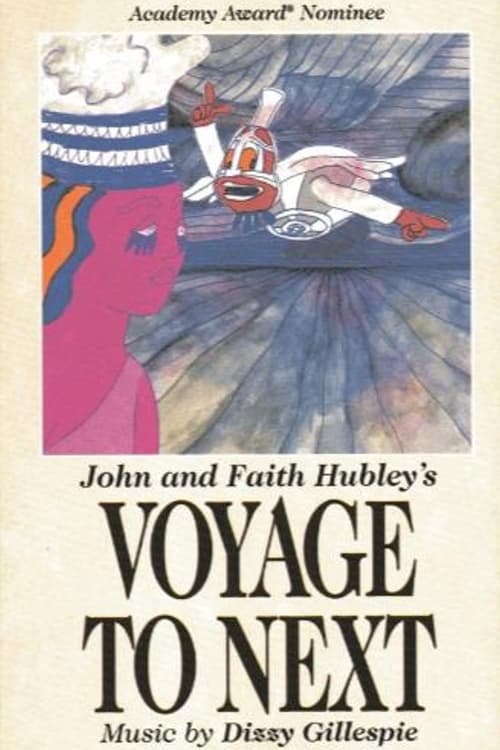
Voyage to Next is an experimental animated film that prioritizes philosophical exploration over demographic representation. By using fluid shapes and textures instead of human characters, the film exists in a post-identity space focused on universal consciousness. While the film avoids traditional assumptions about gender and social roles, it does so through abstraction rather than active social critique. The absence of specific identities means the work lacks characters who reflect more than one aspect of diversity, although it avoids promoting uniform social norms. Ultimately, the film’s strength lies in its rejection of rigid, compartmentalized Western storytelling. It offers a non-dogmatic morality through the dialogue of elemental forces, even if it does not represent underrepresented groups specifically.
Category Breakdown
The film uses abstract visuals without depicting any specific characters. There are no explicit representations of LGBTQ+ identities or same-sex relationships.
The story avoids traditional gender hierarchies by focusing on cosmic entities rather than individual characters. It does not provide characters with enough ability to act to challenge societal roles.
The experimental animation does not address racial or ethnic identity. While it does not whitewash, it lacks intentional diverse casting or storytelling.
The film embraces postmodern philosophy by rejecting traditional Western narratives. It emphasizes philosophical inquiry and the interconnectedness of life over specific religious or nationalist institutions.
The film does not include characters with visible or invisible disabilities. The abstract nature of the animation makes physical or neurodivergent representation impractical.
Present on Screen
Limited or Absent
Official Synopsis
Mother Earth and Father Time converse about the choices humans make. Preserved by the Academy Film Archive in 2010.
1986

1982
1965
1987
1968
1987
1990
1990
No reviews yet. Be the first to share your thoughts on this movie!
Use the rating form above to leave a star rating and optional review.