
Winter
1988
No user ratings available yet
Representation score: 3.9 out of 10
Representation Score
Limited
1990
Director
Pete Docter
Runtime
3 minutes
Average Rating
No ratings yetNew Showbiz Analysis
Next Door serves as a focused character study rather than a broad exploration of diverse identities. The film centers on the generational friction between an elderly man and a child, emphasizing a localized interpersonal dynamic over broader demographic representation. While Pete Docter's later works are known for their emotional complexity, this earlier piece offers a more limited perspective. The narrative structure revolves around the disruption of domestic tranquility rather than identity politics. Ultimately, the film's scope is too narrow to offer meaningful insights into racial, religious, or disability representation, resulting in a foundational but limited diversity profile.
Category Breakdown
The film does not include any explicit LGBTQ+ characters or narratives. The story focuses on a relationship between an elderly man and a child.
The story involves a male and a female figure. The child's playful behavior may challenge traditional domestic roles and stability.
There is not enough information to assess the racial makeup of the cast. The story focuses on a single interaction between two characters.
The film explores the tension between personal peace and external disruption. It presents a less idealized view of childhood by showing it as a source of disturbance.
There is no information about the physical or neurodivergent conditions of the characters. The narrative does not address the characters' abilities.
Present on Screen
Limited or Absent
Official Synopsis
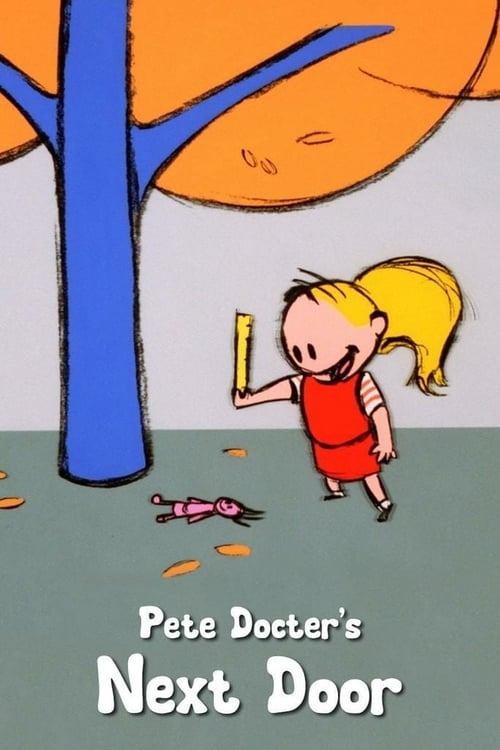
An old square-headed man tries to watch TV while a little girl makes a playful ruckus outside. Preserved by the Academy Film Archive in 2006.
1988
2011
1989
2003

1979
1975
1967

1974
No reviews yet. Be the first to share your thoughts on this movie!
Use the rating form above to leave a star rating and optional review.