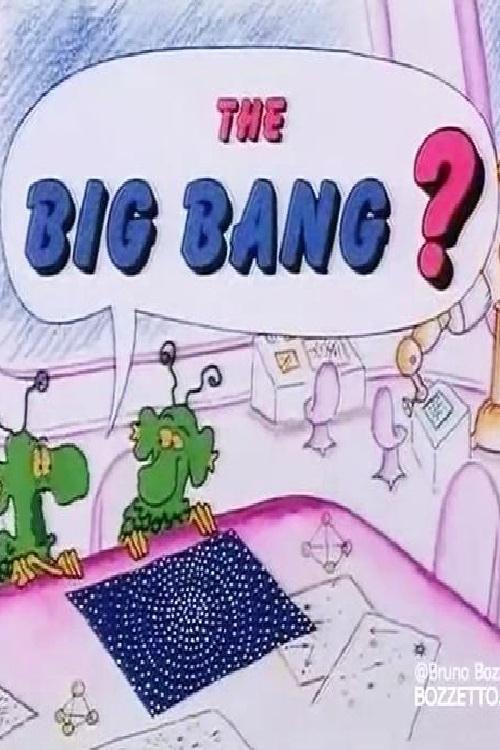
Big Bang
1990
No user ratings available yet
Representation score: 6.2 out of 10
Representation Score
Fair
1987
Director
Osamu Tezuka
Runtime
4 minutes
Average Rating
No ratings yetNew Showbiz Analysis
Osamu Tezuka’s short film serves as a philosophical allegory about environmental degradation and the limits of consumerism. It employs a surrealist framework to critique the transactional nature of modern existence, particularly how technology can replace natural systems. The film's strength lies in its critique of consumerism and avoidance of traditional gender roles. However, it lacks explicit representation of various identities and a diverse cast. The brief narrative focuses on a singular metaphysical journey, limiting character-driven diversity.
Category Breakdown
The film does not explicitly depict LGBTQ+ identities or relationships. It focuses on a protagonist's metaphysical journey and avoids interpersonal romantic subplots.
The work avoids traditional gender roles by centering on a protagonist's metaphysical struggle rather than domestic or social structures.
Characters are presented with a universalized, post-human aesthetic that avoids specific ethnic identifiers. However, the film lacks an explicit, diverse cast of different races.
The story critiques Western-style consumerism and capitalism, with the protagonist's journey toward a Creator suggesting a move toward spiritual inquiry over institutionalized religion.
There are no visible or invisible disabilities portrayed. No characters are identified as having neurodivergent or physical impairments.
Present on Screen
Limited or Absent
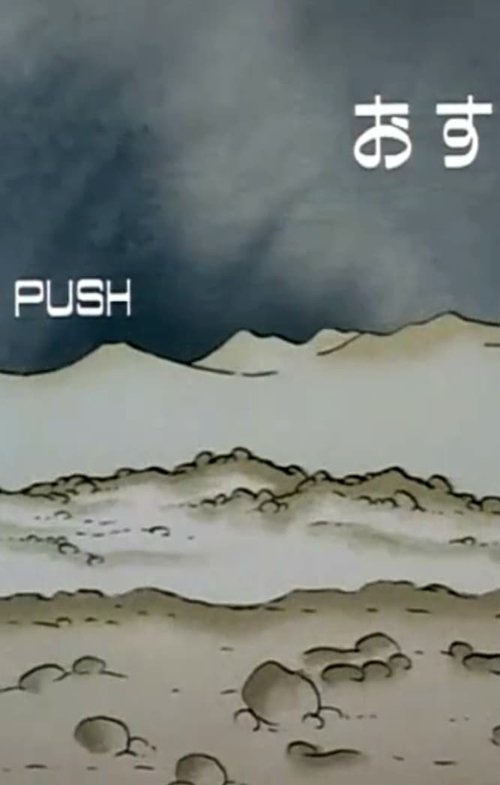
Official Synopsis
In a convenient world where vending machines offer just about everything, the hero procures whatever he needs from machines on his journey to see the creator. He tries to make a replacement purchase of the earth. But the creator declines his request, saying simply that there's no such thing as a brand new earth. The simplicity of the story illustrates the depths of Osamu Tezuka's despair at the earth's degradation, forming the gist of this 4-minute work.
1990
2006
1964

1985
1978
1968
1996

1997
No reviews yet. Be the first to share your thoughts on this movie!
Use the rating form above to leave a star rating and optional review.