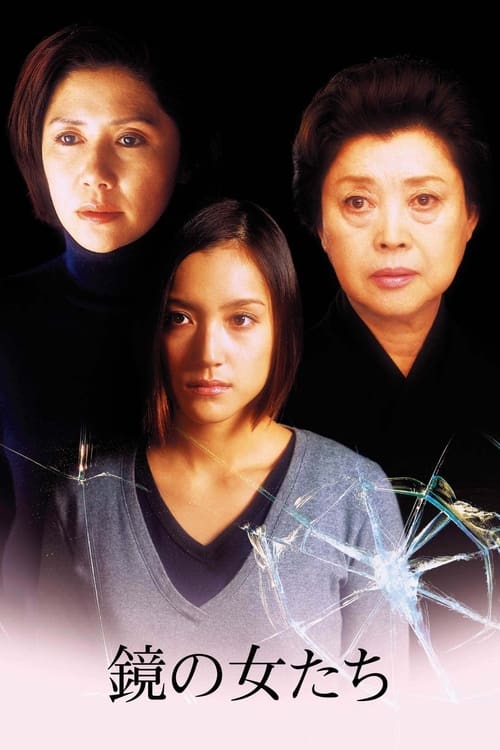
Women in the Mirror
2003
No user ratings available yet
Diversity score: 6.5 out of 10
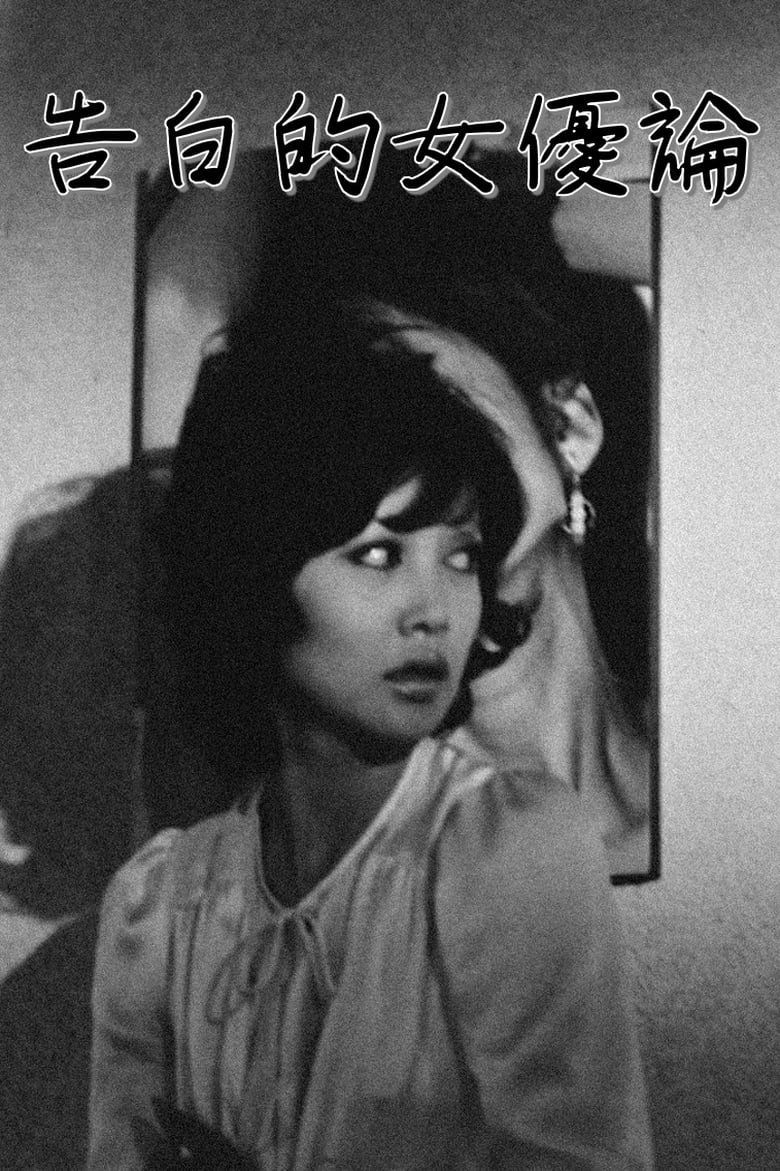
1971
Director
Yoshishige Yoshida
Runtime
124 minutes
Average Rating
No ratings yetSynopsis
In this intricately layered Japanese film, the nature of actresses and what they gain from acting is explored. The lives of three actresses are laid bare, and scenes from their lives are woven in and out of interviews with each of them. Each of them has experienced a traumatic event which contributes to their particular enjoyment of becoming someone else in dramatic roles.
Overall Score
Fair
Category Breakdown
LGBTQ+ Representation
The film explores the fluidity of identity through performance. However, there is no explicit evidence of non-heteronormative identities or same-sex intimacy within the narrative.
Gender Representation
The story centers entirely on female agency and psychological complexity. It avoids the male gaze by prioritizing the intellectual and emotional autonomy of its three protagonists.
Racial & Ethnic Diversity
As a domestic Japanese production, the film offers a localized perspective. It operates outside the Western-centric canon but lacks broader ethnic diversity.
Religious & Cultural Diversity
The film uses a postmodern approach to identity, treating it as a performative construct. It challenges traditional notions of stable, virtuous character arcs through subjective morality.
Disability Representation
Psychological trauma serves as a central driver for the characters. While these scars are integral to their identities, specific neurodivergent portrayals are not detailed.
Strengths
Areas for Improvement
AI Analysis
Yoshishige Yoshida’s film is a sophisticated study of identity that prioritizes female subjectivity. By weaving interviews with lived experiences, the narrative positions women as the primary architects of their own stories rather than passive subjects. The work excels at deconstructing the unified self, using trauma to explore how performance shapes persona. It moves away from traditional moralistic arcs to embrace a more fragmented, postmodern view of truth. However, the film remains limited by its specific cultural and temporal context. It lacks explicit demographic markers and specific evidence regarding non-heteronormative identities or neurodivergent representation.
2003

1966
1959

1973

1972

1993

1992

2005

1966

2021

2001

1971
No reviews yet. Be the first to share your thoughts on this movie!
Use the rating form above to leave a star rating and optional review.