Women
1995
No user ratings available yet
Representation score: 5.2 out of 10
Representation Score
Good
2001
RDirector
Bruce Wagner
Runtime
89 minutes
Average Rating
No ratings yetNew Showbiz Analysis
The film excels at challenging traditional gender roles by centering on professional women navigating systemic and personal trauma. It avoids traditional archetypes, instead offering a gritty, psychological look at female interiority. However, the work lacks breadth in racial and explicit LGBTQ+ representation. The narrative remains focused on a specific, seemingly homogeneous Hollywood demographic, which limits its multi-layered reach. Ultimately, the film is a sophisticated deconstruction of social and moral orders. It trades broad inclusivity for a deep, cynical critique of the structures that define modern Western life.
Category Breakdown
The film explores non-traditional domesticity and the breakdown of the nuclear family. While it challenges the idea of heterosexual relationships through themes of sexual trauma, it lacks explicit depictions of LGBTQ+ identities.
The narrative centers entirely on women's professional lives and ability to act. By portraying men as sources of instability and trauma, the film disrupts conventional gender roles and avoids traditional domestic archetypes.
The story appears to be a localized study of the Hollywood industry. There is no explicit evidence of a diverse or non-Anglo-Saxon majority cast within the narrative.
The film deconstructs traditional Western institutions by framing the family as a site of dysfunction. It embraces moral relativism and subjective truth through a postmodern lens.
A blind infant is mentioned as a focal point for domestic tension. The representation avoids clichés but seems tied to character instability rather than exploring disability as independent ability to act.
Present on Screen
Limited or Absent
Official Synopsis
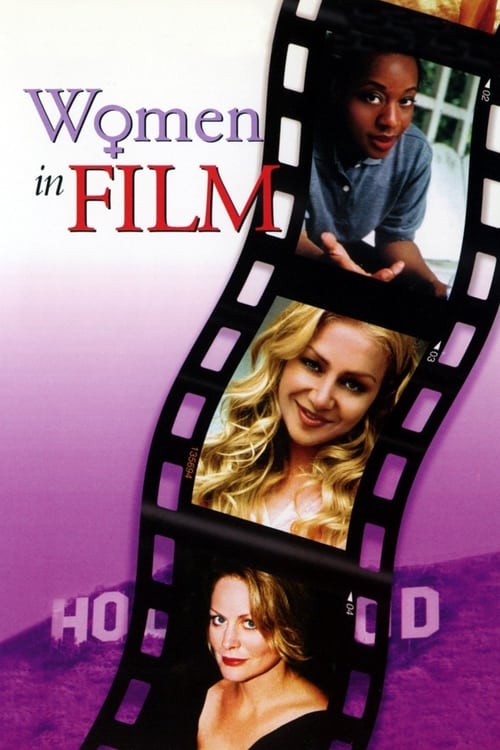
Three women in Hollywood talk to the camera one summer (with a coda six months later). Sara is a casting director; her soliloquies are addressed to Samson (her blind infant son) and to Holly Hunter. She talks about her husband's refusal to touch their son and her discovery of his affair. Gina is a masseuse - blithe, solipsistic, scheming to steal the energy of Hollywood players. She frequently refers to her dead sister Wanda, kidnaped by their father. Phyllis, sexually abused by her father when a teen, addresses her son Eric. She's a producer, working on remaking Pasolini's "Teorema." As the project falls apart, so does she. All three hum or sing, "You made me love you."
1995
1977

1997
2000
1998

2000
1958
2018
No reviews yet. Be the first to share your thoughts on this movie!
Use the rating form above to leave a star rating and optional review.