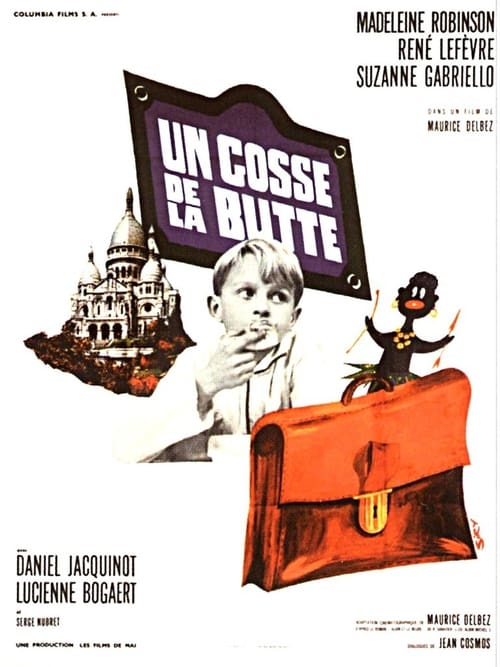
Un gosse de la butte
1964
No user ratings available yet
Diversity score: 2.3 out of 10

1951
Director
Jean-Paul Le Chanois
Runtime
90 minutes
Average Rating
No ratings yetSynopsis
A woman in Paris hires a taxi driver to locate her ex-lover, father to her newborn child, who left her without leaving an address.
Overall Score
Limited
Category Breakdown
LGBTQ+ Representation
The film lacks any evidence of non-heteronormative identities. The central conflict focuses on a traditional romantic and familial disruption.
Gender Representation
The protagonist demonstrates significant agency by actively seeking her child's father. She acts as a problem-solver rather than a passive victim of abandonment.
Racial & Ethnic Diversity
The 1951 Parisian setting suggests a demographic homogeneity typical of the era. There is no evidence of diverse casting or non-Western European roles.
Religious & Cultural Diversity
The story challenges 1950s Christian morality through its depiction of unwed motherhood. However, it lacks explicit secularist or anti-capitalist frameworks.
Disability Representation
There is no information regarding the portrayal of physical or neurodivergent characters in this film.
Strengths
Areas for Improvement
AI Analysis
Jean-Paul Le Chanois presents a character-driven drama that offers a modest subversion of mid-century gender tropes. By centering the plot on a woman's independent pursuit of stability, the film moves away from the era's more rigid patriarchal archetypes. However, the film remains limited by the demographic norms of 1951. The narrative lacks intersectional complexity and does not provide evidence of racial or LGBTQ+ diversity, reflecting a traditional Western European social backdrop. Ultimately, the film's strength lies in its focus on individual agency amidst social fragmentation, even if it lacks broader demographic breadth.
1964

1962

1943

1942

1959

1961

2016

1991

1951

2011

2024

2014
No reviews yet. Be the first to share your thoughts on this movie!
Use the rating form above to leave a star rating and optional review.