Wife vs. Secretary
1936
No user ratings available yet
Diversity score: 1.9 out of 10
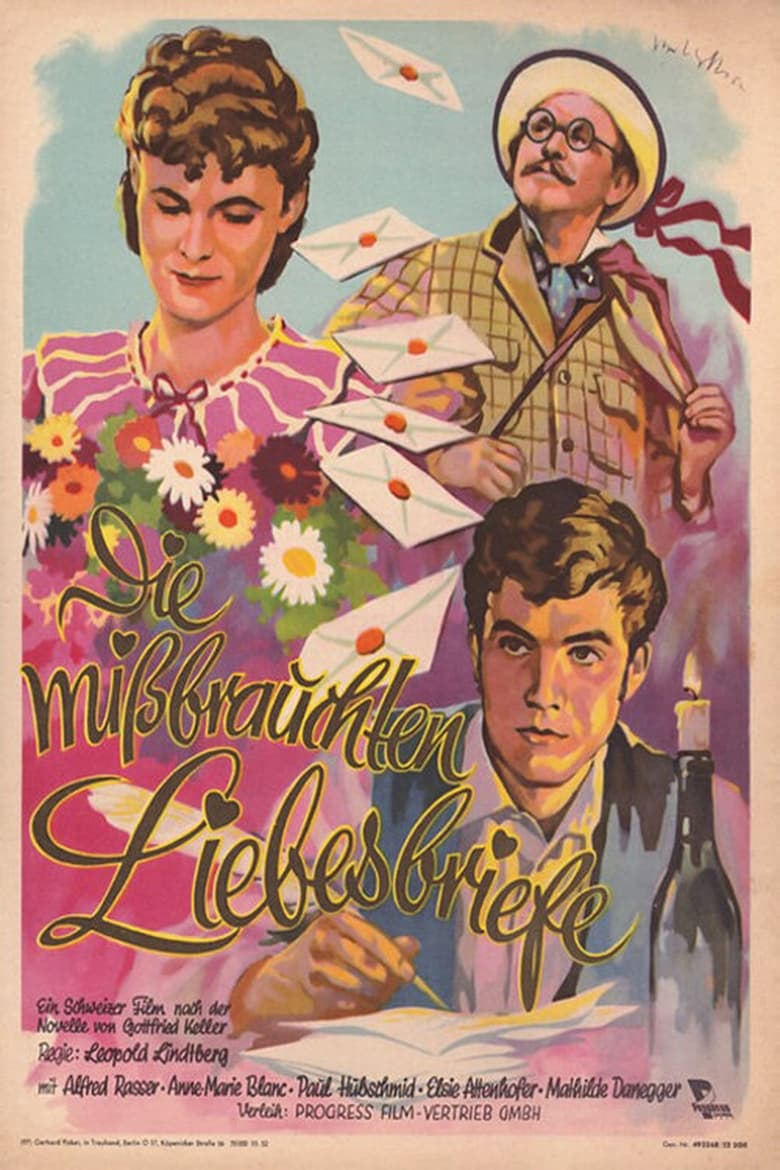
1940
Director
Leopold Lindtberg
Runtime
95 minutes
Average Rating
No ratings yetSynopsis
While on a longer business trip, a wannabe poet urges his beautiful but more simple wife to answer his overly swollen love letters. With no idea how to respond she forwards the letters to a new young school teacher to use his answers instead...
Overall Score
Limited
Category Breakdown
LGBTQ+ Representation
The film follows a conventional romantic triangle between a husband, wife, and a school teacher. There is no evidence of non-cisnormative identities or same-sex intimacy.
Gender Representation
The story relies on traditional hierarchies, casting the husband as the intellectual poet and the wife as a simpler domestic figure. While her deception offers a slight disruption, the roles remain largely era-appropriate.
Racial & Ethnic Diversity
The production appears to feature a homogeneous cast. There is no indication of intersectional casting or non-white characters driving the narrative.
Religious & Cultural Diversity
The plot focuses on interpersonal deception and romantic communication. It does not engage with broader critiques of religion, capitalism, or Western institutions.
Disability Representation
The narrative provides no evidence of characters with visible or invisible disabilities.
Strengths
Areas for Improvement
AI Analysis
The film operates as a traditional period romantic comedy, focusing on the nuances of interpersonal deception. Its narrative structure is built around a standard heteronormative triangle, which limits its scope for diverse representation. While the wife's decision to outsource her romantic correspondence introduces a layer of agency, the character archetypes largely reinforce the gendered social hierarchies of 1940. The film lacks the intersectional depth required to challenge broader social norms. Ultimately, the work is a character-driven drama that prioritizes romantic complications over social critique. It lacks significant representation across racial, cultural, or LGBTQ+ spectrums.
No reviews yet. Be the first to share your thoughts on this movie!
Use the rating form above to leave a star rating and optional review.