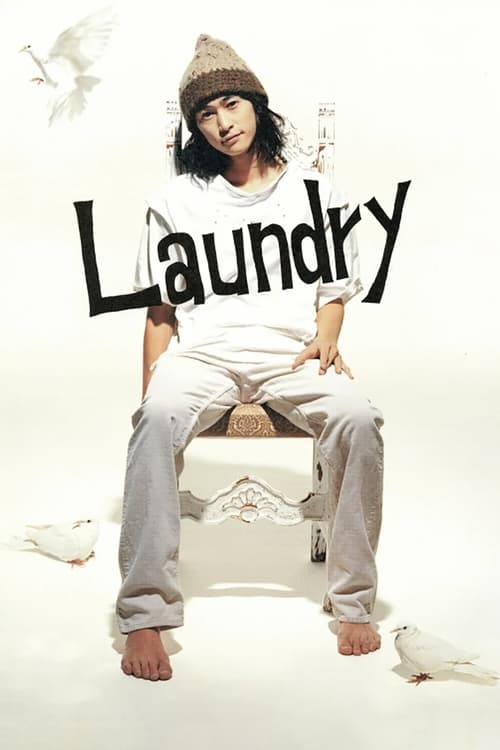
Laundry
2002
No user ratings available yet
Representation score: 7.5 out of 10
Representation Score
Good
2001
RDirector
Eiji Okuda
Runtime
132 minutes
Average Rating
No ratings yetNew Showbiz Analysis
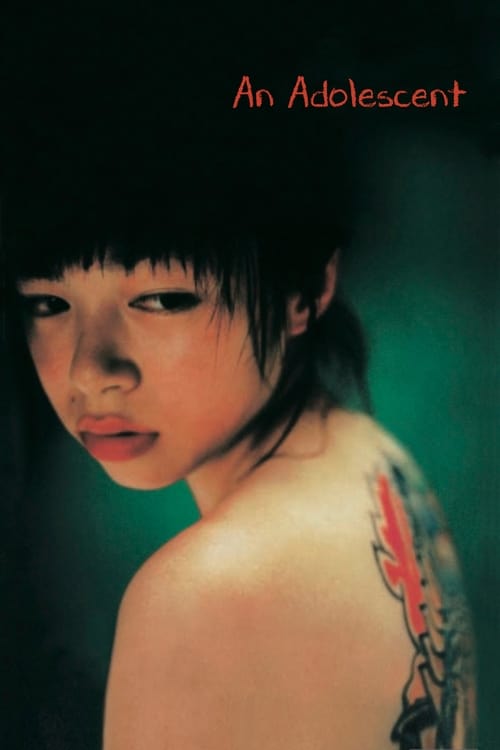
An Adolescent is a character study focused on moral ambiguity and the subversion of professional archetypes. The film explores interpersonal dysfunction through a protagonist who rejects social and professional responsibilities. The narrative's strength lies in its willingness to challenge the sanctity of authority and traditional heroic arcs. It prioritizes subjective morality and personal impulse over maintaining social order. However, the film risks reinforcing harmful social hierarchies through its treatment of disability. The lack of visible diversity and characters who reflect more than one aspect of diversity limits its overall inclusivity.
Category Breakdown
The film centers on the protagonist's relationships with married women, focusing on heterosexual dynamics. There is no explicit representation of LGBTQ+ identities or structures that challenge the assumption that everyone is straight or cisgender.
The story avoids traditional masculine clichés by centering an indolent, irresponsible police officer. While the protagonist's interactions with women are important, the specific roles and actions of female characters are not fully explored.
As a Japanese production, the film focuses on a localized demographic without evidence of multi-ethnic casting. The narrative appears to operate within a specific cultural context.
The film critiques institutional respect by portraying a police officer who lacks professional ethics. This deconstruction of state authority provides a nuanced look at social and moral hierarchies.
A character with mental challenges is mentioned, but the protagonist uses them as an object of mockery. This suggests disability may serve as a tool for highlighting character flaws rather than empowering representation.
Present on Screen
Limited or Absent
Official Synopsis
Incredibly indolent cop Tomokawa spends his time making fun of his mentally challenged friend Sukemasa, riding his bike all over the city and sleeping with married women. But his whole world changes when he meets Yoko.
2002

2009

2020

1991

2005

2005

1999

2003
No reviews yet. Be the first to share your thoughts on this movie!
Use the rating form above to leave a star rating and optional review.