Samurai Hawk
1961
No user ratings available yet
Representation score: 2.8 out of 10
Representation Score
Minimal
1956
Director
Nobuo Nakagawa
Runtime
80 minutes
Average Rating
No ratings yetNew Showbiz Analysis
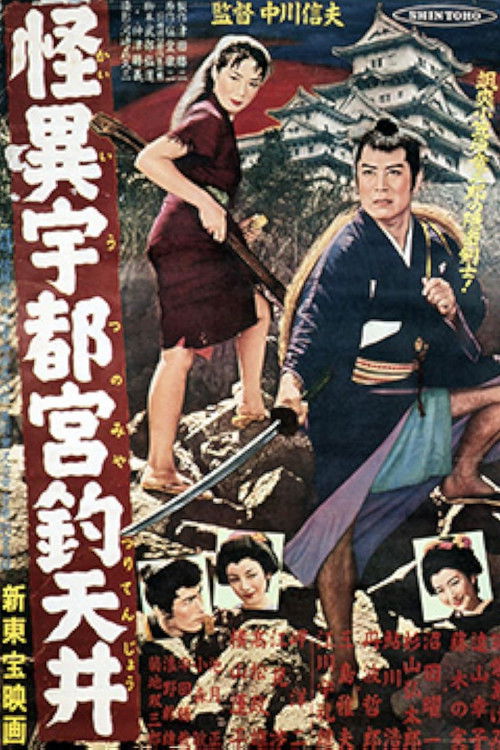
The Ceiling at Utsunomiya is a traditional genre piece that adheres to the social and gendered hierarchies of both its historical setting and the mid-20th-century cinematic landscape. It prioritizes political suspense and espionage over social critique. The film's structure relies heavily on established power dynamics. By using a voyeuristic perspective, the narrative centers male obsession and positions women in reactive roles, limiting their influence within the story. Ultimately, the work lacks the complexity needed to address multiple aspects of identity or systemic issues, functioning instead as a period-accurate reflection of its time.
Category Breakdown
The film follows traditional social norms and does not include any non-straight or non-cisgender identities or narratives that question the assumption that everyone is straight or cisgender.
The story relies on a voyeuristic perspective that emphasizes traditional power differences. Female characters are shown as objects of observation rather than active agents.
Set in Edo-era Japan, the film features a culturally uniform cast. It functions as a localized historical drama without exploring diverse racial backgrounds.
The story centers on political intrigue and state stability within the Tokugawa Shogunate. It operates within established socio-political structures without challenging them.
The film focuses on psychological tension and political suspense. There is no evidence of the portrayal of physical or neurodivergent disabilities.
Present on Screen
Limited or Absent
Official Synopsis
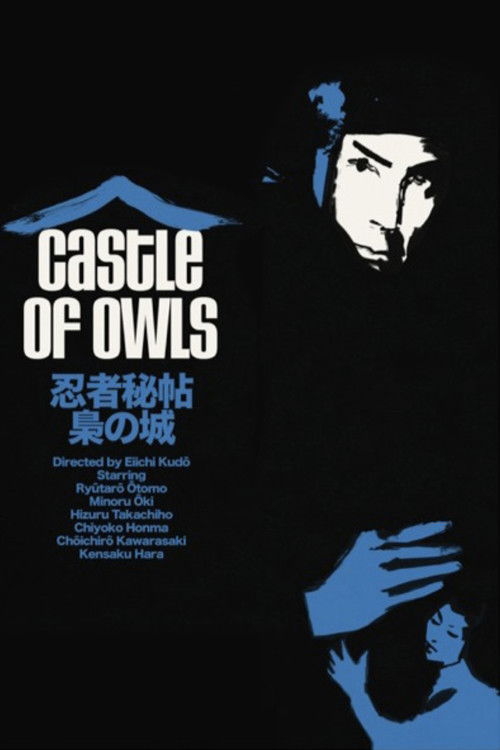
Ryutaro is a spy employed by the shogun Tokugawa Iemitsu, who is the target of assassination attempts that aim to hand power over to his younger brother Tadanaga.
1961

1972
2015
1962
1965
1963
1969

1963
No reviews yet. Be the first to share your thoughts on this movie!
Use the rating form above to leave a star rating and optional review.