
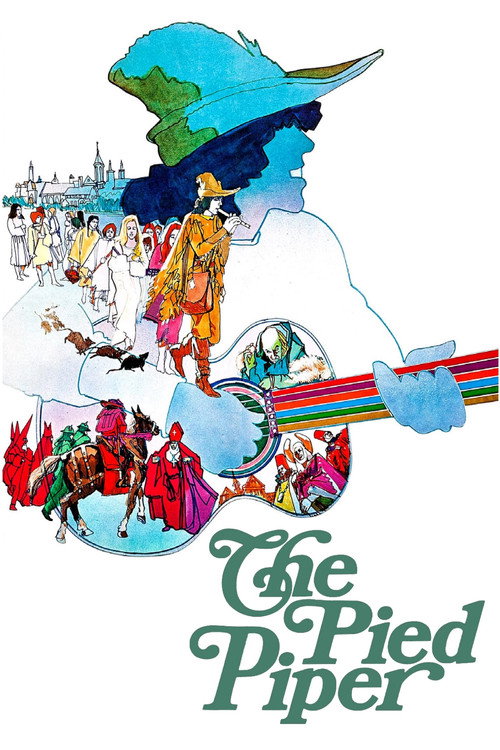
The Pied Piper
1986
No user ratings available yet
Representation score: 4.6 out of 10
Representation Score
Good
1972
GDirector
Jacques Demy
Runtime
90 minutes
Average Rating
No ratings yetNew Showbiz Analysis
Jacques Demy’s film uses a musical fable format to critique systemic failures and corrupt power structures. By centering a Jewish apothecary, it provides a sophisticated layer of social commentary that disrupts traditional folklore. While the film offers a critical look at religious and political corruption, it remains limited in its exploration of identity. It lacks explicit LGBTQ+ representation and does not explore disability through a lens of empowerment. Ultimately, the work serves as a postmodern critique of historical hierarchies. It replaces simple moralism with a complex examination of how underrepresented individuals navigate institutional hostility.
Category Breakdown
The film does not explicitly depict non-straight relationships or same-sex intimacy. Instead, it focuses on the socioeconomic and religious tensions of the 14th century.
The Mayor’s daughter plays a central role in the plot, driven by her emotional state and dowry. However, her influence is largely shaped by patriarchal marriage and economic transactions.
The film features a Jewish apothecary who demonstrates intellectual prowess while navigating a hostile environment. This portrayal disrupts the uniform depiction of medieval European society.
The story harshly criticizes traditional Western institutions. It presents the clergy and ruling class as corrupt, using religious authority to oppress others.
The Black Death is portrayed as a widespread environmental disaster. The film does not highlight characters with disabilities as subjects of individual empowerment.
Present on Screen
Limited or Absent
Official Synopsis
Greed, corruption, ignorance, and disease. Midsummer, 1349: the Black Death reaches northern Germany. Minstrels go to Hamelin for the Mayor's daughter's wedding to the Baron's son. He wants her dowry to pay his army while his father taxes the people to build a cathedral he thinks will save his soul. A local apothecary who's a Jew seeks a treatment for the plague; the priests charge him with witchcraft. One of the minstrels, who has soothed the Mayor's daughter with his music, promises to rid the town of rats for the fee. The Mayor agrees, then renigs. In the morning, the plague, the Jew's trial, and the Piper's revenge come at once.
1986
1926
1957

1964
1942
1960
1989
1939
No reviews yet. Be the first to share your thoughts on this movie!
Use the rating form above to leave a star rating and optional review.