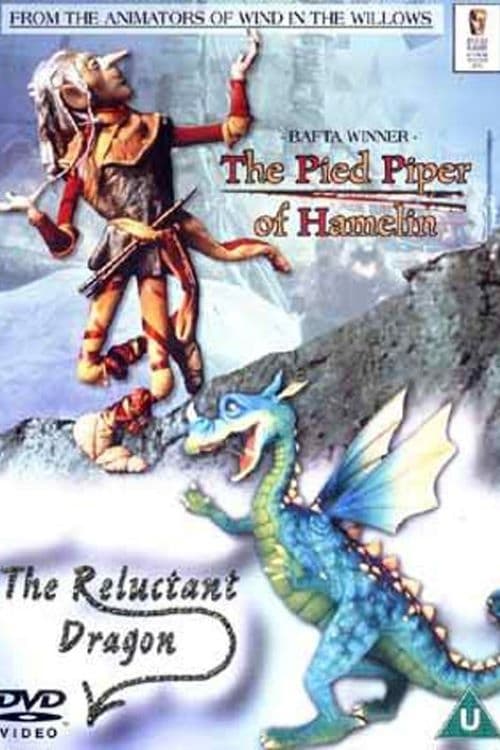
The Pied Piper of Hamelin
1980
No user ratings available yet
Representation score: 3.9 out of 10

Representation Score
Fair
1986
Not RatedDirector
Jiří Barta
Runtime
53 minutes
Average Rating
No ratings yetNew Showbiz Analysis
Jiří Barta’s stop-motion film serves as a critique of communal corruption rather than a study of individual identity markers. Through a dark, surreal lens, it deconstructs traditional fairy tale morality. The film's impact comes from its thematic critique, shifting focus from individual villains to the systemic greed of institutions and broken social contracts. Despite its limitations in representing specific racial, gendered, or LGBTQ+ identities, it offers a sophisticated examination of institutional failure and capitalist greed.
Category Breakdown
The film uses a dark, folkloric style with puppet-like characters. There are no LGBTQ+ characters or stories about non-straight identities.
The film focuses on the failures of a community rather than traditional gender roles. It shows male authority figures as corrupt but doesn't center female characters or challenge gender norms.
Set in a stylized, period-inspired world, the film lacks visible racial or ethnic diversity. Characters are shown as a uniform group within a dark fable.
The film critiques traditional social and economic structures. It highlights the corruption in a town that refuses to honor a financial agreement, showing the flaws in transactional commerce.
The film's grotesque aesthetic challenges idealized body standards. Though it doesn't represent lived disabilities, it questions conventional beauty ideals.
Present on Screen
Limited or Absent
Official Synopsis
A darkly brilliant stop-motion adaptation of The Pied Piper of Hamelin about a plague of rats that punish townsfolk corrupt with greed. One of the most ambitious Czech animation projects of the 1980s, notable for its unusual dark art direction, innovative animation techniques and use of a fictitious language.
1980

1973
1992
1988
1962
1933
1989
1957
No reviews yet. Be the first to share your thoughts on this movie!
Use the rating form above to leave a star rating and optional review.