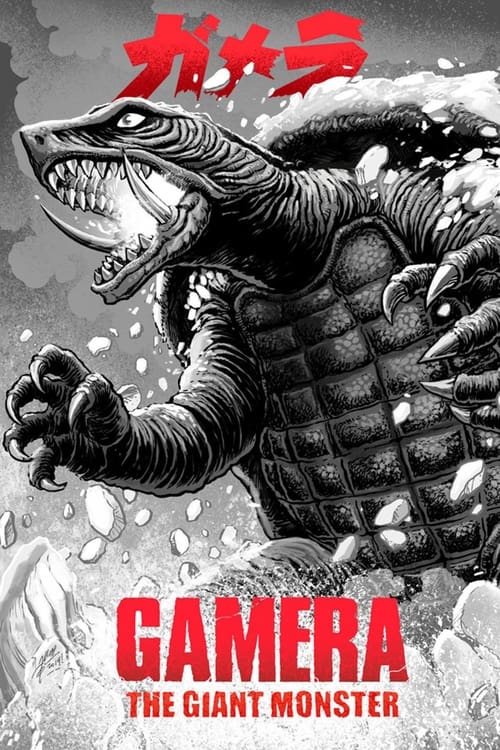
Gamera, the Giant Monster
1965
No user ratings available yet
Representation score: 3.0 out of 10
Representation Score
Minimal
1967
Not RatedDirector
Noriaki Yuasa
Runtime
86 minutes
Average Rating
No ratings yetNew Showbiz Analysis
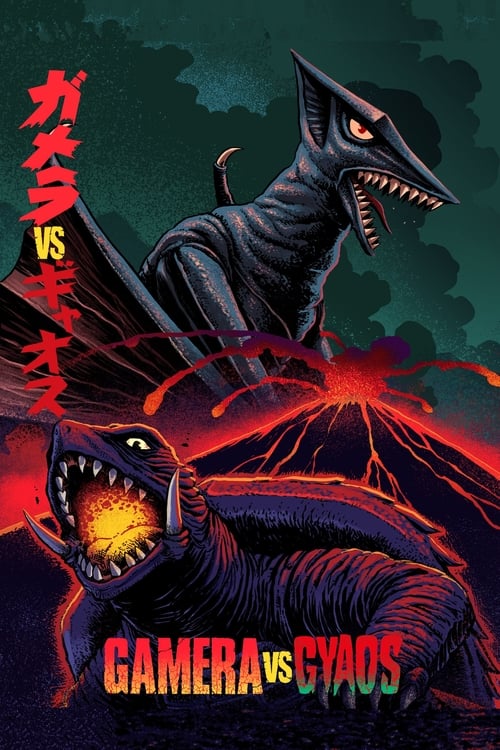
Gamera vs. Gyaos is a quintessential mid-century kaiju film that prioritizes creature spectacle over social subversion. The narrative relies on traditional hierarchies and standard genre archetypes common to the Showa era. Representation is minimal, with the film adhering to the era's cinematic conventions. Character roles are largely defined by their utility to the plot—such as military or scientific functions—rather than by diverse identities or social complexities. Ultimately, the film functions as a straightforward exploration of the defender versus predator motif, reinforcing traditional institutional structures rather than challenging them.
Category Breakdown
The film does not include any visible LGBTQ+ characters or narratives. The story focuses entirely on the biological conflict between monsters and the human response to the disaster.
Female characters play supporting or reactive roles within the military and scientific frameworks. Leadership and decisive action are centered within male-dominated institutions.
The film features a homogeneous Japanese cast reflecting its specific cultural context. It presents a non-Western perspective but does not use multi-layered casting to disrupt demographic norms.
The narrative emphasizes the importance of organized societal structures and institutional authority. It depicts military and scientific agencies as the primary agents of order against chaos.
There is no representation of physical or neurodivergent disabilities. Characters are defined by professional roles such as soldiers or scientists rather than lived experiences of disability.
Present on Screen
Limited or Absent
Official Synopsis
Unusual volcanic activity in Japan awakens Gyaos, a bloodthirsty flying monster with the power to slice things in half with an ultrasonic ray. While scientists and the military scramble to devise a way to stop this new threat, a young boy forms an alliance with Gamera; a monster no one else seems to trust.
1965
1964

1969
1996
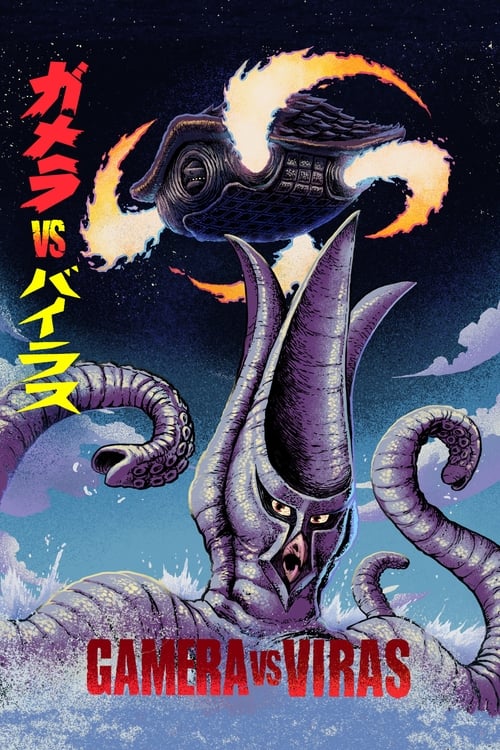
1968
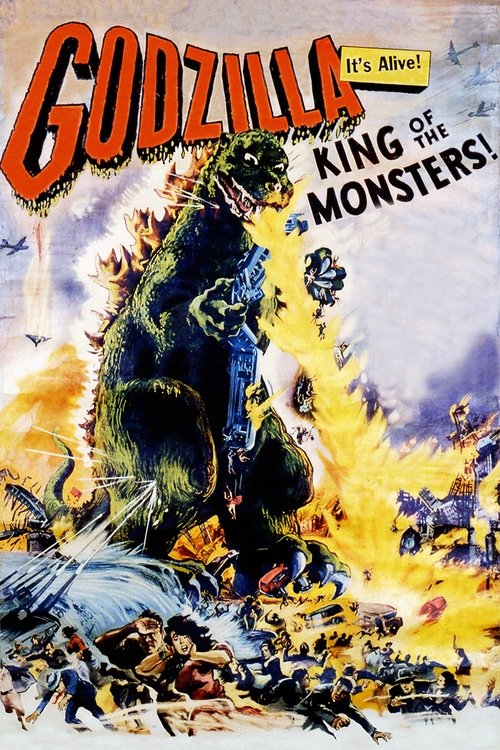
1956
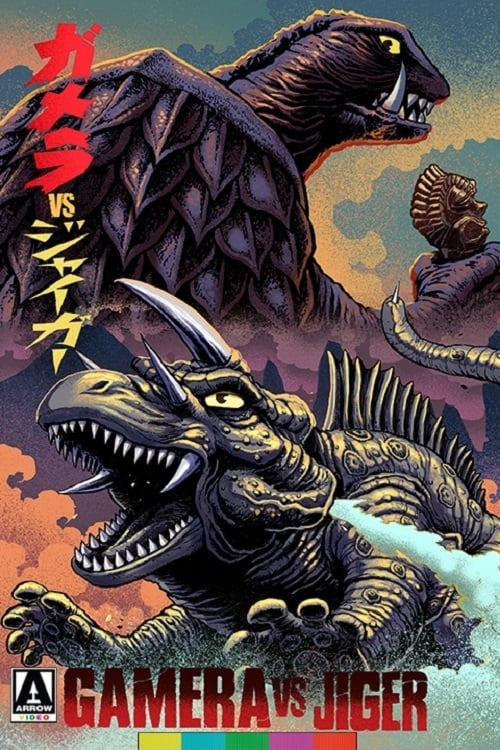
1970
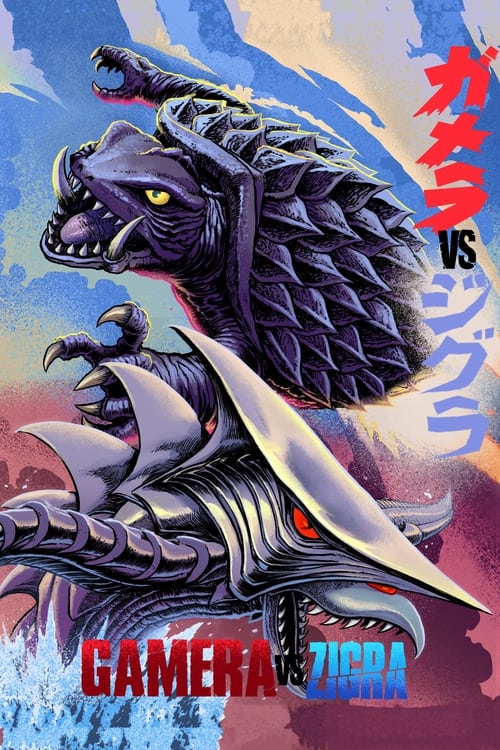
1971
No reviews yet. Be the first to share your thoughts on this movie!
Use the rating form above to leave a star rating and optional review.