Psychic Wars
1991
No user ratings available yet
Representation score: 1.3 out of 10
Representation Score
Fair
1989
Director
Takashige Ichise
Runtime
107 minutes
Average Rating
No ratings yetNew Showbiz Analysis
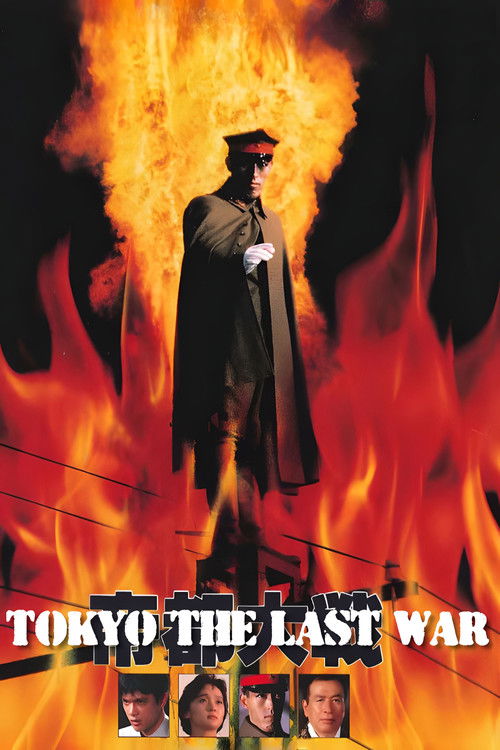
Tokyo: The Last War is a traditional genre piece that prioritizes historical atmosphere and supernatural conflict. The narrative structure adheres to established cinematic formulas of the era, focusing on a solitary male hero within a culturally homogeneous setting. The film relies on established folklore and period-specific settings to drive its plot. While it addresses the trauma of the Pacific War, it does so through a lens of spiritualism rather than social critique. Ultimately, the work functions as a standard supernatural thriller. It does not seek to challenge social hierarchies or include underrepresented identities, remaining firmly within the bounds of 1980s genre storytelling.
Category Breakdown
The film does not depict non-binary gender identities or same-sex relationships. It follows the assumption that everyone is straight or cisgender, which is typical of late-80s genre cinema.
The story centers on a lone male hero who fights supernatural forces. This reinforces traditional masculine stereotypes and maintains conventional gender hierarchies.
Set in 1945 Japan, the film is demographically uniform. It focuses on national identity and folklore without exploring the intersection of race and social dynamics.
The narrative uses Japanese folklore and spiritualism as central themes. It frames morality through supernatural good versus evil rather than through secular critique.
Psychic abilities are portrayed as supernatural powers rather than as lived experiences of disability. Characters have limited control outside of their roles as magical fighters.
Present on Screen
Limited or Absent
Official Synopsis
In 1945, after the horrific fire-bombings of the Pacific War levels Japan to the ground, the government consults spiritual psychics to aid them in winning the war. Unfortunately, the souls' resentment and agony of the victims culminate together to revive the evil Onmyoji, Yasunori Kato. Only a young, psychically imbued priests' apprentice will dare fight the evil magician.
1991
1988
1999
1996
1983
1988
1997
1981
No reviews yet. Be the first to share your thoughts on this movie!
Use the rating form above to leave a star rating and optional review.