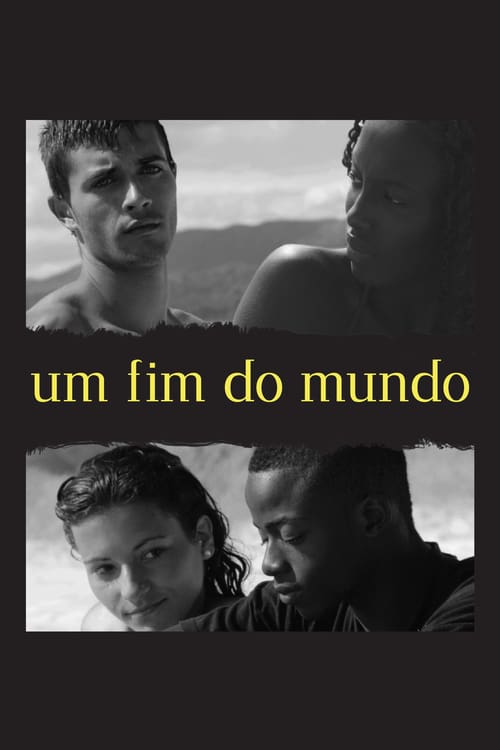
The End of the World
2013
No user ratings available yet
Representation score: 6.5 out of 10
Representation Score
Fair
1998
Not RatedDirector
Fernando León de Aranoa
Runtime
94 minutes
Average Rating
No ratings yetNew Showbiz Analysis
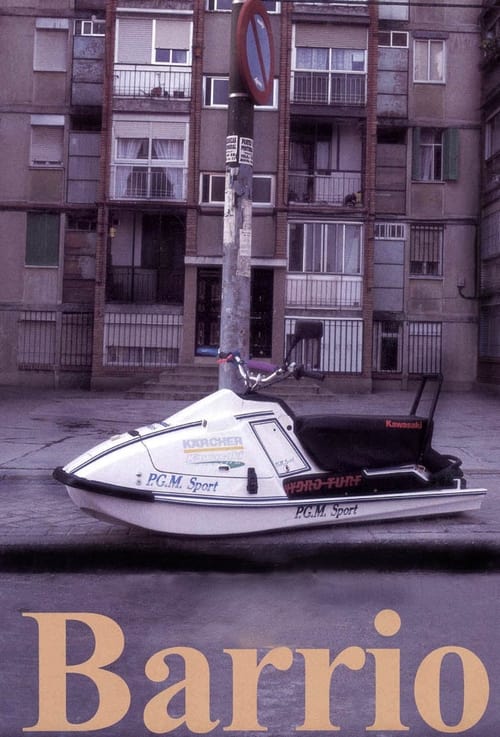
Barrio is a gritty exercise in Spanish social realism that prioritizes the lived experiences of underrepresented youth over polished cinematic clichés. It succeeds by deconstructing the myth of upward mobility, highlighting how systemic decay shapes the survival tactics of the urban poor. However, the film's impact is limited by its narrow demographic focus. The narrative remains heavily centered on a male-dominated, straight-centered perspective that offers little room for diverse gender or sexual identities. Ultimately, while the film provides a profound critique of economic frameworks and class struggle, it lacks multi-layered depth regarding race, disability, and gender ability to act.
Category Breakdown
The film operates within a strictly straight-centered framework, focusing on adolescent male camaraderie and traditional sexual curiosity without any visible queer representation.
The narrative is heavily male-centric, prioritizing the ability to act of male protagonists. Women are often relegated to secondary or domestic roles.
The setting depicts a relatively homogeneous Mediterranean urban environment, focusing on socioeconomic stratification without significant racial or ethnic diversity.
The film excels in critiquing systemic structures and decaying socioeconomic landscapes. It portrays traditional institutions as failing or oppressive elements of life.
There is no significant or intentional representation of physical or neurodivergent disabilities. Struggles are defined by economic exclusion rather than disability.
Present on Screen
Limited or Absent
Official Synopsis
Bored 15-year-old school chums Rai Manu and Javi dream of sexual adventures and exotic resorts while the well-off population of Madrid flock to the beaches on a summer holiday. The youths hang around the concrete wasteland killing time by reading the sex classifieds and pushing their luck. They masturbate, thieve, fight with their families and get involved in a drug bust. Finally Rai, the most daring and restless of the trio - gets shot while trying to steal stereo gear from a car. Each adolescent faces a dreary home life but when they get together they enjoy each other's company to the full. The film is an engaging mixture of comedy drama and the pathos of life in a Madrid neighborhood.
2013

2017
2010
2008
2004
1997

2001
2002
No reviews yet. Be the first to share your thoughts on this movie!
Use the rating form above to leave a star rating and optional review.