Wedding Dress
2010
No user ratings available yet
Representation score: 5.0 out of 10
Representation Score
Fair
2011
Not RatedDirector
Min Kyu-dong
Runtime
125 minutes
Average Rating
No ratings yetNew Showbiz Analysis
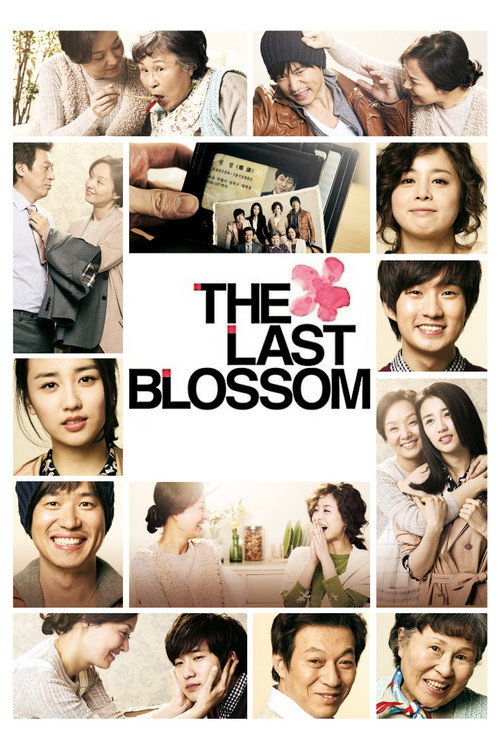
The Last Blossom is a domestic drama that explores the tension between personal ability to act and traditional societal expectations. It challenges the idea of the 'perfect' family by highlighting systemic neglect and the emotional toll on the female protagonist. While the film does not explicitly address LGBTQ+ or multi-ethnic identities, it offers a poignant critique of emotional inequities within traditional domestic hierarchies. The narrative focuses on the burdens of caretaking and the realities of terminal illness.
Category Breakdown
The film centers on traditional family structures and does not include any LGBTQ+ characters or non-straight relationships.
The movie highlights the exhaustion and emotional neglect inherent in traditional domestic roles. Despite critiquing patriarchal indifference, the protagonist's role is mostly reactive to her diagnosis.
This South Korean production showcases a culturally specific, homogeneous cast. It deeply represents Korean domestic life without featuring diverse ethnic backgrounds.
The story explores the weight of Confucian-influenced family values and household hierarchies. It portrays the family unit as a significant source of emotional labor and burden.
Alzheimer’s disease is a central theme, grounding the drama in the lived realities of neurodegenerative illness. The inclusion of cognitive decline adds depth to the family's domestic struggles.
Present on Screen
Limited or Absent
Official Synopsis
A middle-aged housewife must look after her husband, children and senile mother-in-law at the same time. Her life changes when she learns that she has cancer and is dying.
2010
2001
2014
2005
2019

2014
2012
2003
No reviews yet. Be the first to share your thoughts on this movie!
Use the rating form above to leave a star rating and optional review.