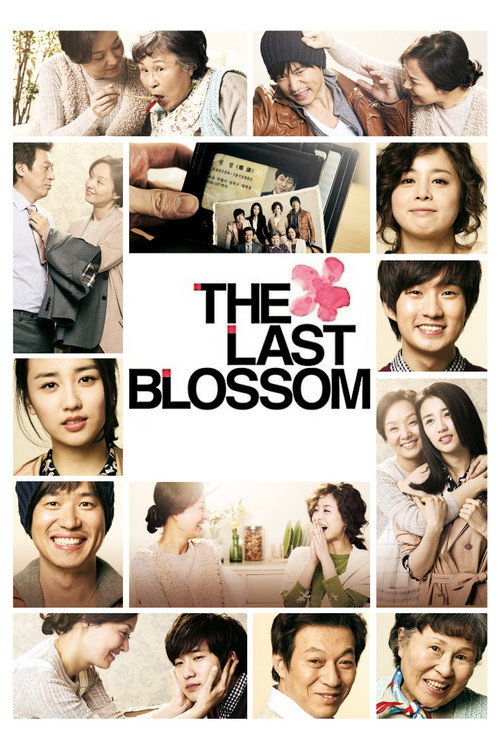
The Last Blossom
2011
No user ratings available yet
Representation score: 5.6 out of 10
Representation Score
Excellent
2014
Director
Yuya Ishii
Runtime
117 minutes
Average Rating
No ratings yetNew Showbiz Analysis
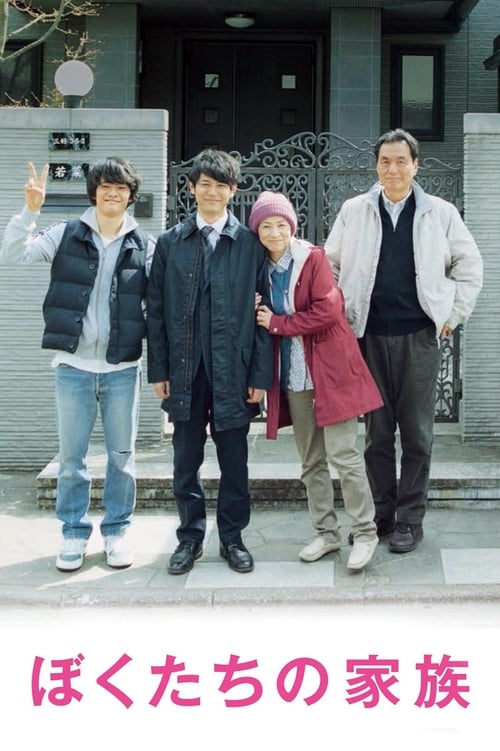
Yuya Ishii’s drama deconstructs the traditional nuclear family by centering on individuals living on the fringes of society. It challenges social hierarchies by prioritizing 'found families' over biological kinship. The film’s strength lies in its nuanced exploration of social alienation and its critique of systemic neglect. However, it lacks explicit representation of physical disabilities and ethnic diversity. The narrative remains focused on localized Japanese identity rather than a broader spectrum of multi-layered identities.
Category Breakdown
The film explores unconventional family structures and non-traditional households. It focuses on 'chosen family' rather than biological kinship, challenging traditional household setups.
Gender roles are blurred as characters navigate survival through necessity. The narrative presents roles not tied to traditional masculine or feminine stereotypes.
The story focuses on Japanese society with a cast primarily representing lower socioeconomic status. It prioritizes character depth over ethnic diversity.
The film critiques modern capitalist structures and rigid Japanese social institutions. It portrays traditional institutions as exclusionary, prioritizing the bonds of underrepresented groups.
There is no prominent depiction of physical or neurodivergent disabilities. Struggles are framed through socioeconomic alienation rather than disability-specific narratives.
Present on Screen
Limited or Absent
Official Synopsis
The emotional journey of a four-member family that fails to recognize that it is rapidly growing apart until the mother is diagnosed with terminal cancer.
2011

2014

2016

2016
2010

2011
2013

2025
No reviews yet. Be the first to share your thoughts on this movie!
Use the rating form above to leave a star rating and optional review.