
Santa
1932
No user ratings available yet
Representation score: 7.1 out of 10
Representation Score
Limited
1934
ApprovedDirector
Harry Lachman
Runtime
81 minutes
Average Rating
No ratings yetNew Showbiz Analysis
Nothing More Than a Woman is a typical period romantic drama that prioritizes traditional storytelling over social complexity. While it offers the female lead a degree of professional ability to act as an artist, the film remains anchored to the genre’s romantic clichés. The production features a predominantly Eurocentric cast, with Western actors portraying characters in a Philippine setting. This creates a disconnect between the setting and the actual representation of the local population. Ultimately, the film functions as a standard melodrama. It uses disability as a narrative tool for tension rather than a meaningful character study, reinforcing the social hierarchies of its era.
Category Breakdown
The film does not include any LGBTQ+ characters or non-straight relationships. It focuses solely on a central heterosexual romance.
The story centers around a female protagonist who navigates both her professional career and emotional life. However, her relationships still revolve around male characters.
Despite being set in the Philippines, the film features a predominantly European and Anglo-Saxon cast. This portrayal overlooks the local population and emphasizes a Western perspective.
The narrative follows traditional 1930s Western storytelling conventions. It prioritizes conventional romantic themes and melodrama over any critique of Western institutions or systemic power structures.
A male character's temporary blindness serves mainly as a plot device to create romantic tension. It does not explore the complexities of physical impairment or the individual's experiences.
Present on Screen
Limited or Absent
Official Synopsis
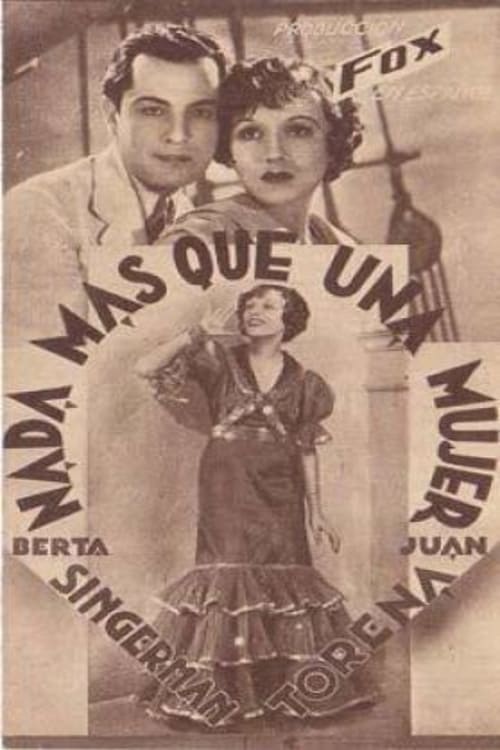
As a struggling young artist in the Philippines supports herself by reading poetry in unsavory bars, she falls in love with an American who has been temporarily blinded due to a beating received from some hooligans.
1932

1932
1941

1928

1929

1929

1939

1920
No reviews yet. Be the first to share your thoughts on this movie!
Use the rating form above to leave a star rating and optional review.