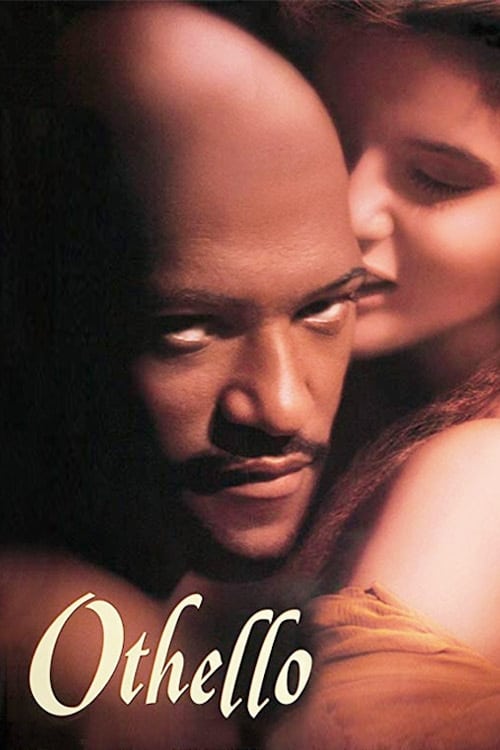
Othello
1995
No user ratings available yet
Representation score: 3.4 out of 10

Representation Score
Limited
1981
TV-14Director
Jonathan Miller
Runtime
204 minutes
Average Rating
No ratings yetNew Showbiz Analysis
Jonathan Miller’s production stands out for its intentional disruption of historical casting norms. By centering a Black protagonist within the aristocratic structures of Venice, the film forces a confrontation with themes of 'otherness' and systemic friction. However, the film remains tethered to traditional gender dynamics. The patriarchal structures of the military setting limit women's ability to act, rendering Desdemona a victim of male machinations rather than an independent actor. While the racial casting is a significant strength, the lack of LGBTQ+ representation and the constrained roles for women result in a moderate overall diversity score.
Category Breakdown
The production follows a strictly straight-centered framework. No queer subtext or non-cisgender identities are depicted in this staging.
Women's ability to drive the story is constrained by a patriarchal military hierarchy. While Desdemona elopes, she ultimately becomes a passive subject to male psychological manipulation.
The film disrupts period-piece expectations by casting a Black lead as a high-ranking general. This highlights the complexities of navigating a white Venetian society.
The narrative explores moral relativism and the breakdown of social cohesion. It critiques traditional Western authority through the corruption of institutional trust.
There are no prominent depictions of physical or neurodivergent disabilities driving the narrative.
Present on Screen
Limited or Absent
Official Synopsis
Iago and a comrade-in-arms are outside the Venice home of Desdemona's father, who does not yet know that she has eloped with Othello. Iago confides to his friend -- who had hoped to marry Desdemona -- that he serves Othello to further his own ends. Venice needs Othello to protect its commercial interests in Cyprus where the Turkish fleet is headed. Desdemona insists on going to Cyprus, too. In Cyprus, Iago plots to convince Othello that Desdemona has betrayed him with Cassio. A lot more than political ambition seems to be motivating Iago.
1995
1951

1982
1971

2026
1995

1974
1990
No reviews yet. Be the first to share your thoughts on this movie!
Use the rating form above to leave a star rating and optional review.