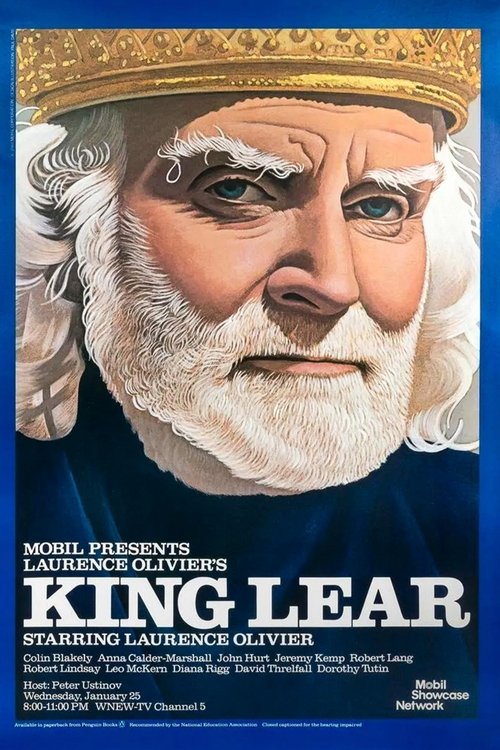
King Lear
1983
No user ratings available yet
Representation score: 3.8 out of 10

Representation Score
Good
1974
TV-GDirector
Edwin Sherin
Runtime
175 minutes
Average Rating
No ratings yetNew Showbiz Analysis
This 1974 production stands out for its progressive casting, most notably placing James Earl Jones in the central role of King Lear. This choice disrupts historical norms and adds a layer of racial complexity to the Shakespearean canon. The film also provides meaningful roles to its female characters, who drive the plot through calculated political maneuvers. This prevents the women from falling into passive stereotypes, offering a more dynamic view of gendered power. However, the production remains limited by its adherence to a traditional tragic arc. It lacks explicit representation of LGBTQ+ identities and treats mental instability primarily as a vehicle for tragedy rather than a nuanced study of neurodivergence.
Category Breakdown
The production focuses on patriarchal structures and traditional familial tensions. There is no explicit evidence of LGBTQ+ characters or non-straight relationships within this adaptation.
The narrative momentum is driven by the ruthless actions of Goneril and Regan. These women actively manipulate political structures to seize power, challenging traditional gender roles.
Casting James Earl Jones in the lead role significantly disrupts conventional racial expectations for classical tragedy. The diverse supporting cast further moves away from Anglo-Saxon-centric casting norms.
The film critiques centralized power through the collapse of the monarchy and the divine right. However, themes remain rooted in the classical text rather than modern agendas.
The story centers on the protagonist's psychological deterioration and descent into madness. This functions as a tragic plot device rather than a nuanced exploration of mental health issues.
Present on Screen
Limited or Absent
Official Synopsis
James Earl Jones delivers a riveting performance as paranoid patriarch King Lear, an aging monarch who insists that his three daughters prove their love for him, only to learn he's exalted the two who seek to destroy him. This live performance recording of Joseph Papp's New York Shakespeare Festival production deftly envisions the bard's haunting tragedy with a fine supporting cast, including Raul Julia, Paul Sorvino and Rene Auberjonois.
1983
1948
2008
1948

2018
1971
1979
2002
No reviews yet. Be the first to share your thoughts on this movie!
Use the rating form above to leave a star rating and optional review.