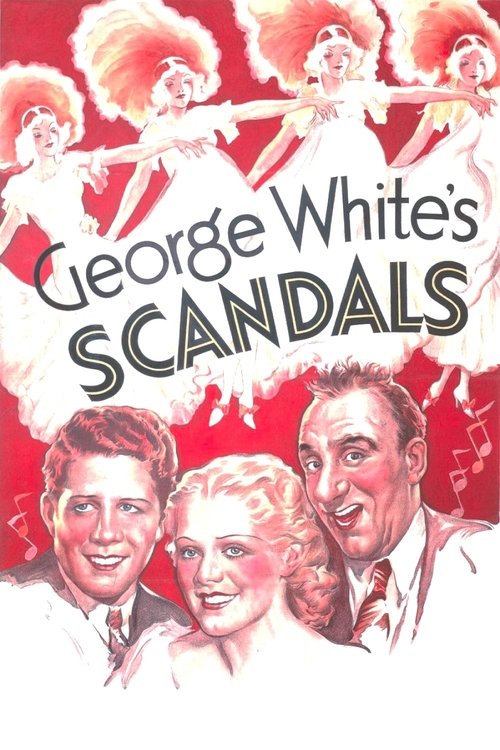
George White's Scandals
1934
No user ratings available yet
Representation score: 1.3 out of 10
Representation Score
Limited
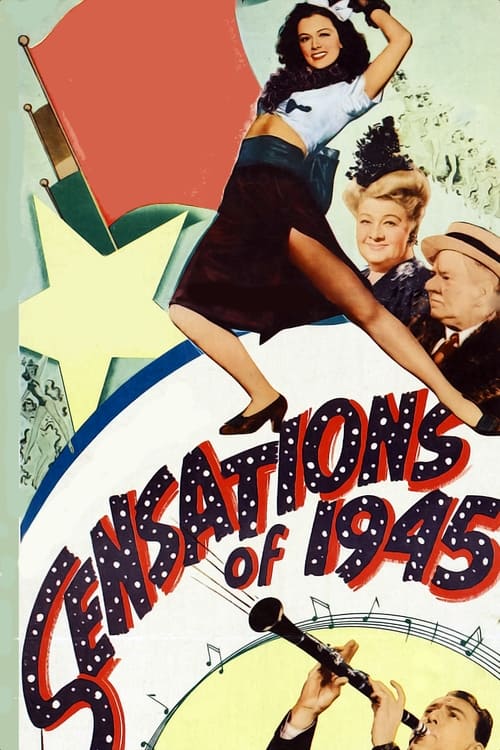
1944
NRDirector
Andrew L. Stone
Runtime
86 minutes
Average Rating
No ratings yetNew Showbiz Analysis
Sensations of 1945 provides a glimpse into the cynical side of mid-century stardom. While it avoids the era's typical female victim clichés by presenting women as strategic agents of their own publicity, it remains deeply rooted in the social hierarchies of the time. The film's strength lies in its subversion of traditional gender roles, but this is offset by a lack of racial and LGBTQ+ visibility, reflecting the restrictive studio norms of the period. Ultimately, the production functions as a homogeneous musical drama that prioritizes professional manipulation over broader systemic critiques.
Category Breakdown
The film does not depict any non-binary gender identities or same-sex relationships. The interactions between Ginny and Julia seem to be purely professional rather than romantic or queer.
Female characters are shown as strategic and ambitious rather than passive victims. Ginny Walker uses deception as a tool to navigate the entertainment industry, challenging the typical portrayal of submissive femininity.
There is no evidence of a diverse cast or non-Anglo-Saxon characters. The story focuses on a homogeneous social group typical of mid-century American productions.
The story critiques celebrity culture and professional ethics through a cynical lens. It emphasizes careerism and artifice over traditional morality within the entertainment industry.
The narrative does not include any characters with visible or invisible disabilities.
Present on Screen
Limited or Absent
Official Synopsis
As dancer Ginny Walker performs on stage, a veiled woman in the audience stands up, accuses Ginny of stealing her husband and then fires a gun at her. After Ginny collapses and is taken to her dressing room, the woman, Julia Westcolt, a friend of Ginny's, dashes backstage, discards her veil, and then congratulates her friend on their successful publicity stunt. When Ginny's press agents, Gus Crane and his son Junior, visit their client backstage, she brags about her feat and chides them for not being more creative in promoting her. Horrified at Ginny's brashness, Junior, a conservative Harvard graduate, chastises her and leaves the room.
1934
1941
1948
1954
1929
1950
1934

1943
No reviews yet. Be the first to share your thoughts on this movie!
Use the rating form above to leave a star rating and optional review.