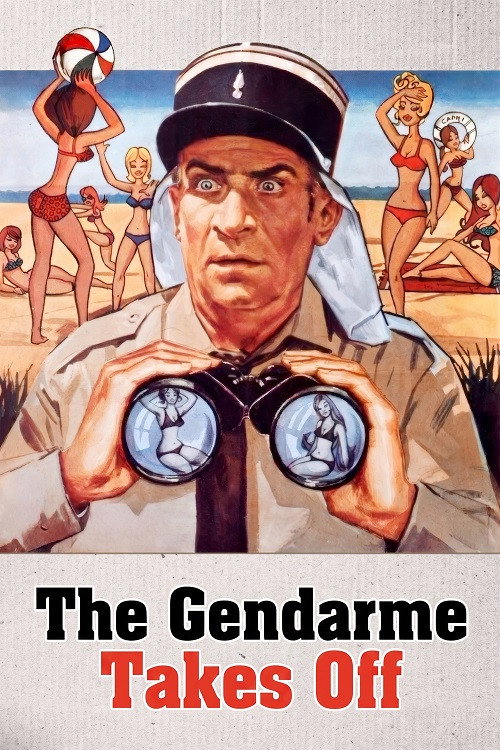
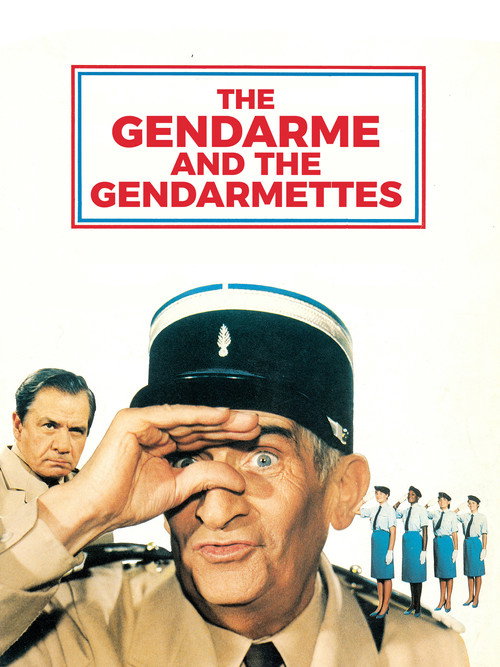
The Gendarme Takes Off
1970
No user ratings available yet
Representation score: 2.3 out of 10
Representation Score
Minimal
1982
Director
Tony Aboyantz, Jean Girault
Runtime
100 minutes
Average Rating
No ratings yetNew Showbiz Analysis
The film functions as a conventional comedy that relies heavily on established slapstick clichés and traditional social dynamics. While it introduces women into a male-dominated profession, the narrative structure prioritizes the male perspective and uses female characters primarily as distractions. Diversity is limited by the era's casting norms and a lack of complexity in representing various identities. The story reinforces traditional authority structures through a kidnapping plot without challenging existing hierarchies or offering diverse cultural viewpoints.
Category Breakdown
The film centers on typical heterosexual relationships between male and female characters. There is no indication of non-straight identities or critiques of the assumption that everyone is straight.
Female officers play important roles, but they mainly act as catalysts for chaos and distraction. Their influence seems secondary to the male characters' responses to them.
The production reflects the homogeneous casting practices of early 1980s French comedy. There is no evidence of a multi-ethnic or non-Anglo-Saxon cast.
The plot follows a standard comedic framework focusing on law enforcement and social order. It lacks any critique or exploration of diverse cultural perspectives.
The narrative does not include any characters with physical or neurodivergent disabilities.
Present on Screen
Limited or Absent
Official Synopsis
Cruchot's police office moves into a new building. They do not only get high tech equipment, but also four young female police officers to educate. All of them scramble to work with them -- and cause pure chaos while being distracted by the fine ladies. Then they get into real trouble when one after the other of their female colleagues is kidnapped.
1970
1964
1974

1963
1987
1964
1973
1987
No reviews yet. Be the first to share your thoughts on this movie!
Use the rating form above to leave a star rating and optional review.