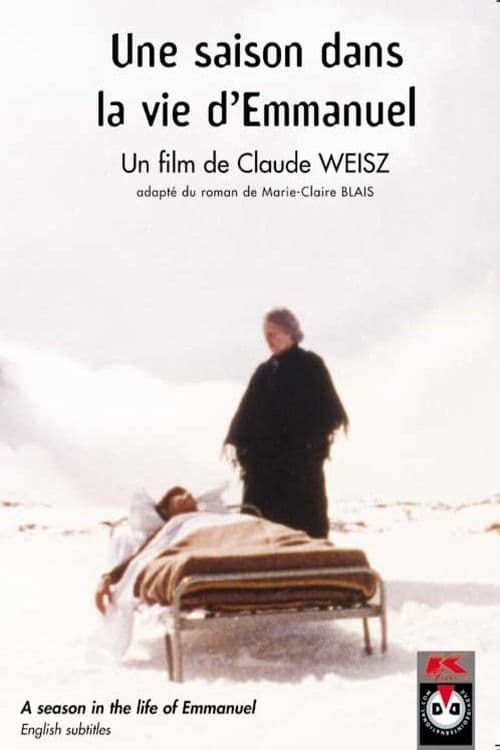
Une saison dans la vie d'Emmanuel
1973
No user ratings available yet
Representation score: 1.9 out of 10

Representation Score
Good
1979
Director
Pascal Thomas
Runtime
110 minutes
Average Rating
No ratings yetNew Showbiz Analysis
Heart to Heart is a character-driven study of female autonomy within a specific French socioeconomic stratum. It succeeds in presenting a non-monolithic view of womanhood by exploring diverse trajectories, from psychological struggle to unconventional reproductive choices. However, the film lacks diversity. The narrative remains confined to a homogeneous social environment, offering little representation regarding racial diversity or LGBTQ+ identities. It operates within the traditional social frameworks of late-1970s cinema. Ultimately, the film's value lies in its refusal to present a sanitized version of the nuclear family. It trades idealized domesticity for a more complex, anecdotal look at life's disruptions.
Category Breakdown
The film focuses on traditional family structures and reproductive outcomes. There is no evidence of LGBTQ+ identities or same-sex relationships within the narrative.
The story centers on female experiences and autonomy. Brigitte demonstrates a significant role in driving the story by rejecting marriage after pregnancy, disrupting traditional patriarchal expectations through her personal choices.
The narrative depicts a homogeneous social environment typical of its era. There is no evidence of a multi-ethnic cast or diverse racial identities.
The film deconstructs the ideal family unit by highlighting psychological and reproductive instability. It focuses on the personal complexities of class and domesticity.
A sister's nervous breakdown suggests an exploration of mental health. However, it is unclear if this provides nuanced character study or serves as a dramatic cliché.
Present on Screen
Limited or Absent
Official Synopsis
The independently-minded daughter of lower-middle class French shopkeepers, Brigitte, one of three sisters, refused to marry the father of her child when she became pregnant. In this film, she reminisces about her family life beginning when she was about five years old, up to the present when she is in her early 20s. Of her two sisters, one has a nervous breakdown and the other one becomes something of a baby factory. Colorful anecdotes of her eventful life lend additional depth to her insights.
1973

1976

1977

1967

2019
1989

1990

1973
No reviews yet. Be the first to share your thoughts on this movie!
Use the rating form above to leave a star rating and optional review.