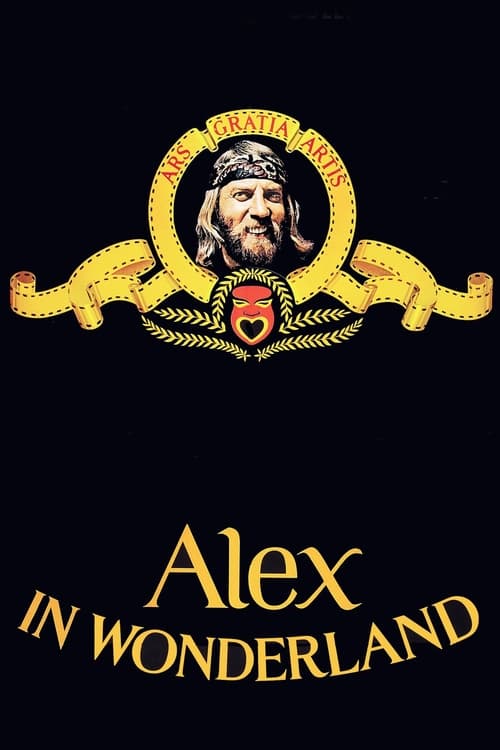
Alex in Wonderland
1970
No user ratings available yet
Diversity score: 5.3 out of 10

1987
RDirector
Patricia Rozema
Runtime
81 minutes
Average Rating
No ratings yetSynopsis
Scatterbrained Polly gets a job as a secretary in Gabrielle's art gallery. Polly aspires to be a professional photographer, and idolizes Gabrielle for her artistic ability. When Gabrielle rekindles an old romantic relationship with the younger painter Mary, Polly becomes jealous, and discovers Gabrielle isn’t exactly who she claims to be.
Overall Score
Fair
Category Breakdown
LGBTQ+ Representation
The film operates within a heteronormative framework. It focuses on established romantic structures and emotional intricacies rather than centering non-cisnormative identities or same-sex intimacy.
Gender Representation
The narrative subverts traditional hierarchies by centering female interiority and agency. It prioritizes the female gaze, elevating the psychological landscapes of Polly and Gabrielle over masculine-driven tropes.
Racial & Ethnic Diversity
The cast is relatively homogeneous, reflecting a specific Canadian social context. The film lacks intersectional racial diversity, focusing instead on a predominantly white, middle-class demographic.
Religious & Cultural Diversity
The film explores subjective morality and the breakdown of traditional domestic cohesion. It adopts a secular approach, prioritizing psychological realism over singular religious or moral ideals.
Disability Representation
There are no prominent depictions of visible or invisible disabilities. Characters with disabilities are not utilized as central plot devices within the narrative.
Strengths
Areas for Improvement
AI Analysis
Patricia Rozema’s film excels in its feminist architecture, successfully disrupting the male-centric gaze. By focusing on the intellectual and emotional autonomy of its female protagonists, the film challenges conventional cinematic hierarchies through a sophisticated lens of female agency. However, the work remains limited by its lack of intersectional breadth. The narrative is confined to a predominantly white, middle-class demographic, offering little representation of racial or LGBTQ+ diversity. Ultimately, the film is a study of psychological depth and fractured identities. It trades overt political didacticism for a nuanced exploration of the internal lives of women.
1970
2017
2012

2007

2009

2011
2016

1982

2000
2020
1987
1985
No reviews yet. Be the first to share your thoughts on this movie!
Use the rating form above to leave a star rating and optional review.