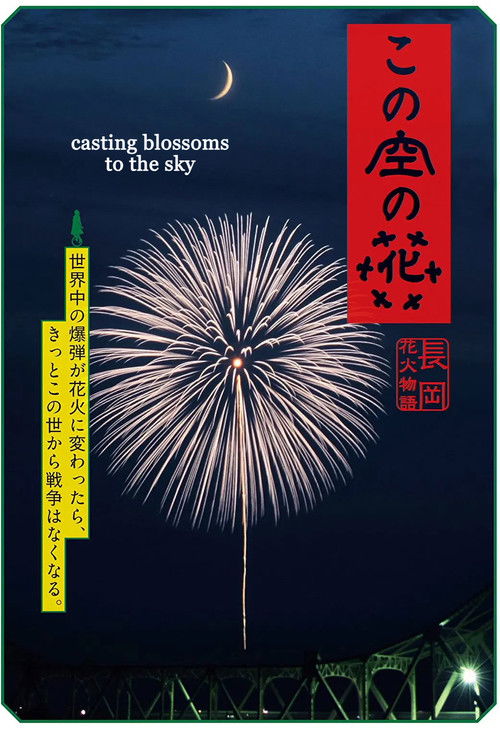
Casting Blossoms to the Sky
2012
No user ratings available yet
Representation score: 7.5 out of 10
Representation Score
Fair
1999
Director
Makoto Tezuka
Runtime
146 minutes
Average Rating
No ratings yetNew Showbiz Analysis
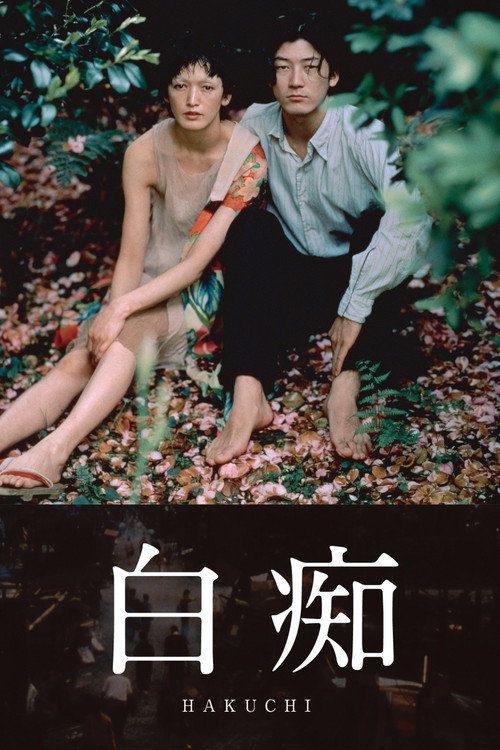
Hakuchi is a historical drama that emphasizes the psychological impact of societal change over current demographic diversity. Its strength lies in its nuanced portrayal of cultural identity and the tension between tradition and Western influence. While the film provides a deep insight into the erosion of national identity, it remains confined to a patriarchal structure and a homogeneous cast. The narrative lacks representation for LGBTQ+ identities and characters with disabilities. Overall, the film serves as a reflection on social hierarchy and the instability of political transitions rather than a platform for diverse representation.
Category Breakdown
The film focuses solely on the historical context of the Meiji period and does not include any LGBTQ+ identities or narratives that question traditional heterosexual norms.
The story mainly revolves around the male experience and the loss of innocence among male characters. It portrays strict gender roles without giving much power to female characters.
The cast is made up of actors who match the ethnic background of the historical setting. However, it provides a detailed look at the cultural tensions caused by rapid Western influence.
The movie offers a sophisticated look at the institutional changes during Japan’s transition. It highlights the conflict between the remnants of the Shogunate and the Imperial government, causing significant dislocation.
There are no characters with visible or invisible disabilities in the film. The story does not explore neurodivergence or physical impairments through central characters.
Present on Screen
Limited or Absent
Official Synopsis
In a future where World War II never ended, Japan is decimated by nightly bombings. The only building left standing is known as the Media Station, a broadcasting center responsible for all of Japan's entertainment.
2012
1983
2024

1959

2015
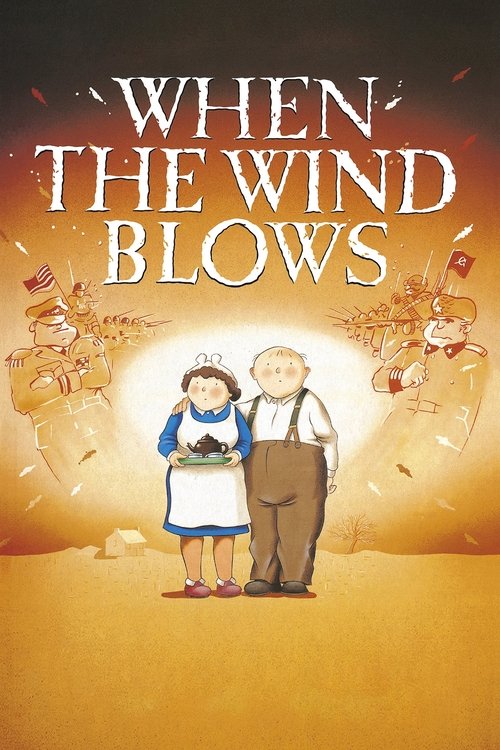
1986
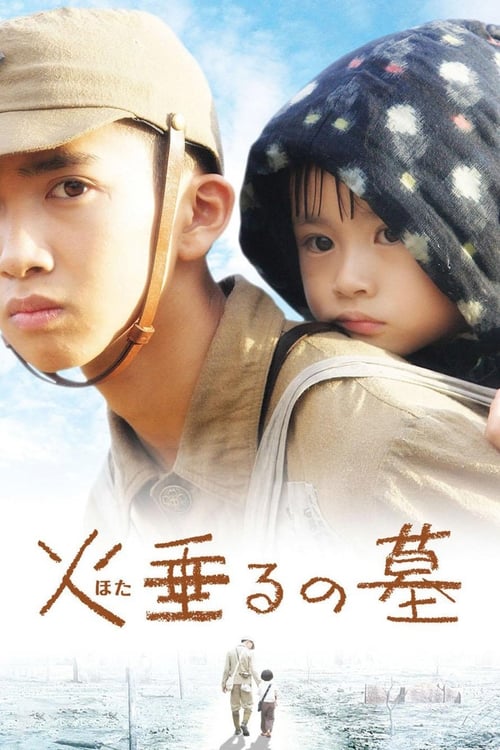
2008
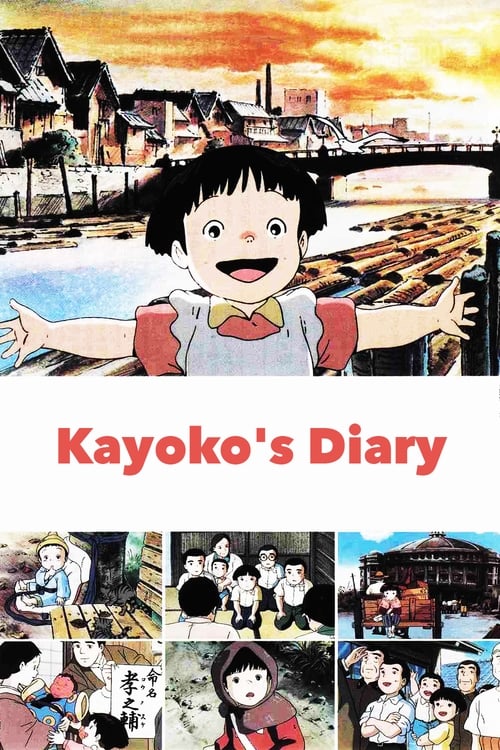
1991
No reviews yet. Be the first to share your thoughts on this movie!
Use the rating form above to leave a star rating and optional review.