
Flareup
1969
No user ratings available yet
Diversity score: 3.3 out of 10
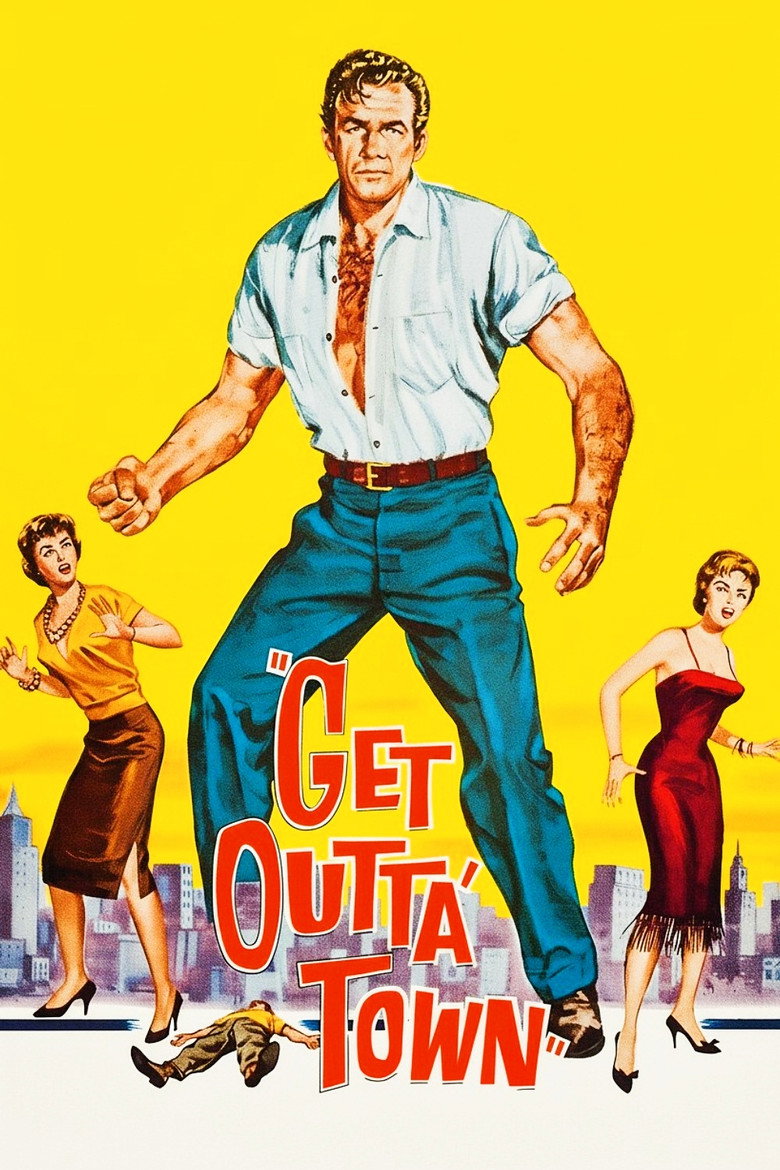
1960
Not RatedDirector
Charles Davis
Runtime
62 minutes
Average Rating
No ratings yetSynopsis
A longtime criminal returns to his native Los Angeles determined to avenge his brother's murder.
Overall Score
Limited
Category Breakdown
LGBTQ+ Representation
The film lacks any evidence of LGBTQ+ characters or non-heteronormative narratives. It adheres to the standard heteronormative constraints typical of 1960s B-movie thrillers.
Gender Representation
While the cast includes female leads, the plot centers on a male protagonist's quest for vengeance. This reinforces traditional masculine agency and leadership within a standard cops-and-robbers framework.
Racial & Ethnic Diversity
The production reflects the homogeneous casting norms of its era. There is no indication of racial blending or the inclusion of characters of color with significant agency.
Religious & Cultural Diversity
The story follows a conventional crime-and-revenge trope that aligns with traditional views on law and order. It does not challenge Western institutions or promote moral relativism.
Disability Representation
There is no documented evidence regarding the inclusion of characters with physical or neurodivergent disabilities.
Strengths
Areas for Improvement
AI Analysis
Get Outta Town is a conventional 1960 thriller that functions primarily as genre program-filler. The narrative relies on established tropes of masculine vengeance and traditional law enforcement dynamics, offering very little disruption to the social hierarchies of its time. The film's structure is built around a male-driven revenge plot, which prioritizes masculine agency over diverse perspectives. The casting and thematic elements appear to mirror the homogeneous and heteronormative standards of mid-century American cinema. Ultimately, the work lacks the intentionality needed to move beyond standard cinematic conventions, resulting in a narrow representation of identity and social dynamics.
1969
1957
1970
1954
2011
1957
1958
1958
1955
1954
1961
1952
No reviews yet. Be the first to share your thoughts on this movie!
Use the rating form above to leave a star rating and optional review.