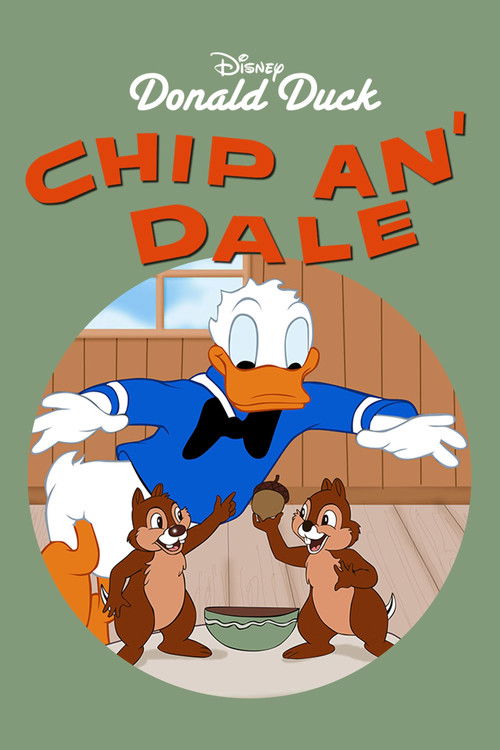
Chip an' Dale
1947
No user ratings available yet
Representation score: 0.1 out of 10
Representation Score
Limited
1949
NRDirector
Jack Hannah
Runtime
7 minutes
Average Rating
No ratings yetNew Showbiz Analysis
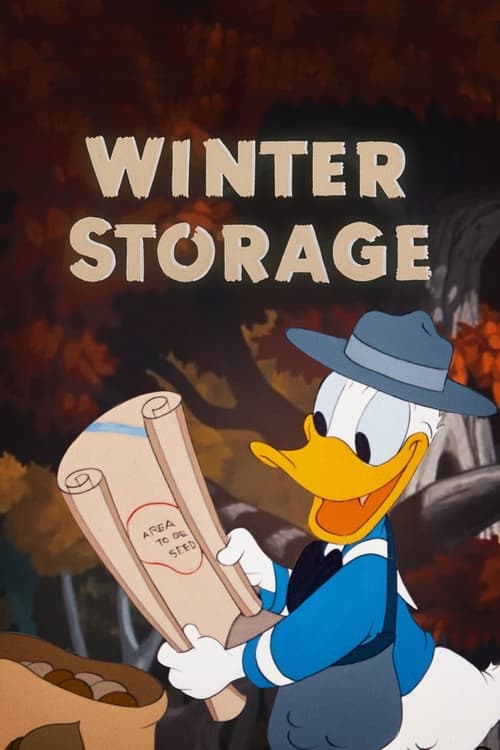
Winter Storage is a classic mid-century slapstick short that prioritizes kinetic energy and character conflict over social commentary. The narrative relies on the 'common enemy' cliché, where Chip and Dale's bond is forged through shared adversity against Donald Duck. The film adheres to the era's standard of homogeneous, non-human characterization. Because the protagonists are anthropomorphic animals, the story avoids any engagement with human demographics, racial, or gendered social structures. Ultimately, the work functions as a simple survivalist comedy. It does not attempt to disrupt social expectations or introduce perspectives that reflect multiple aspects of diversity, focusing instead on the cyclical nature of seasonal survival.
Category Breakdown
The film focuses solely on animal characters and does not depict any LGBTQ+ identities. There is no subtext or engagement with LGBTQ+ themes.
The narrative features no female characters, making it impossible to evaluate gender hierarchies. The protagonists operate through anthropomorphic archetypes rather than gendered social roles.
As an animated short with animal protagonists, the film lacks racial or ethnic characterization. The characters serve as temperamental archetypes within a generic natural setting.
The story reinforces traditional views of hard work versus laziness. It follows conventional mid-century narrative structures centered on individualistic competition for resources.
There is no representation of physical or invisible disabilities. The slapstick comedy relies on standard physical mechanics like chases and traps.
Present on Screen
Limited or Absent
Official Synopsis
It's October 7th and Chip is working industriously to store enough acorns in the tree for the winter. Dale would rather sleep in his matchbox, but an angry kick from Chip gets him working furiously. But there's only so much they can do. Their tree is nearly out of acorns. Luckily, the two semi-intelligible chipmunks happen to see the half-unintelligible Donald Duck, a park ranger, planting acorns. They immediately set to steal his bag of the precious nuts. Donald soon realizes what they are up to, and sets out a box propped up with a stick. It's a crude trap, with an acorn as bait; but it's not too crude to fool Dale, who upsets it and traps Chip. Soon, Donald finds he can have fun instigating a fight between these two quarrelsome chipmunks, but he underestimates their friendship and their ability to work as a team against a common enemy: in this case, a bad-tempered duck.
1947
1954
1955
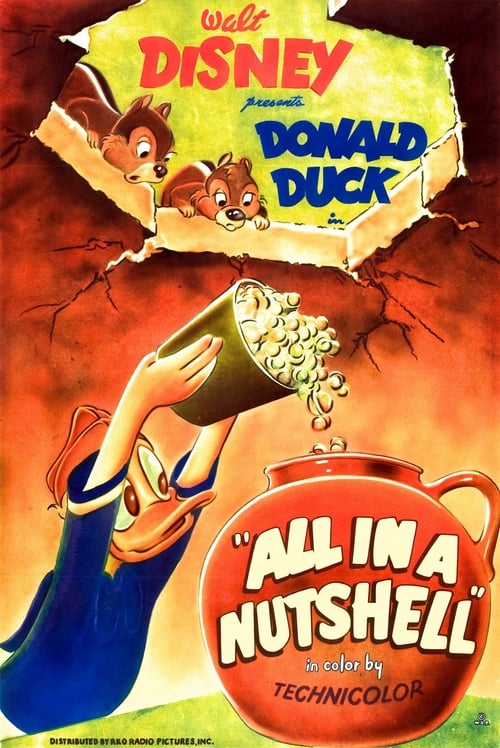
1949
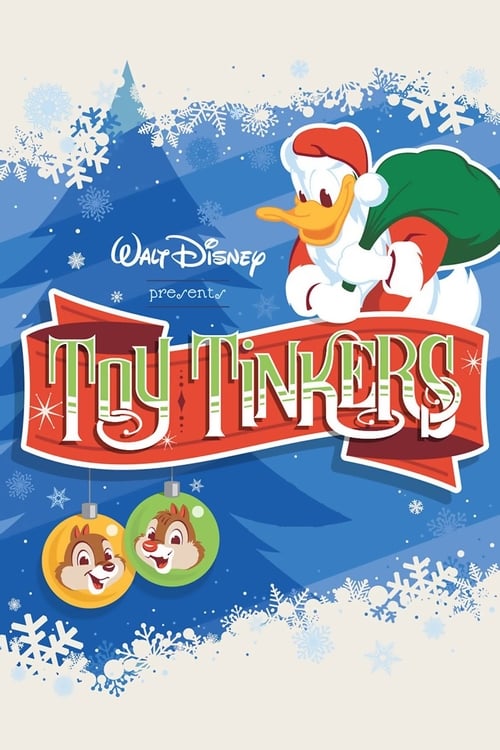
1949
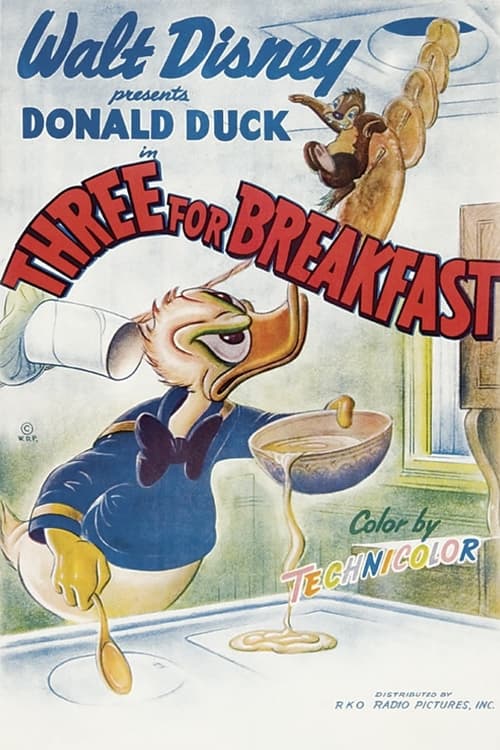
1948
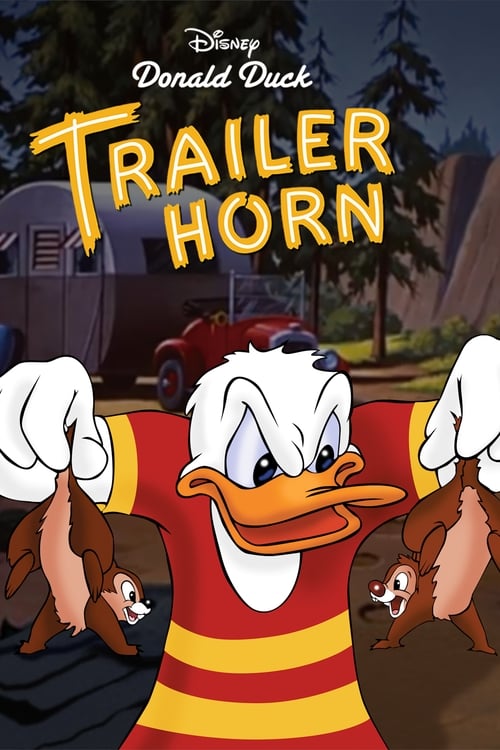
1950
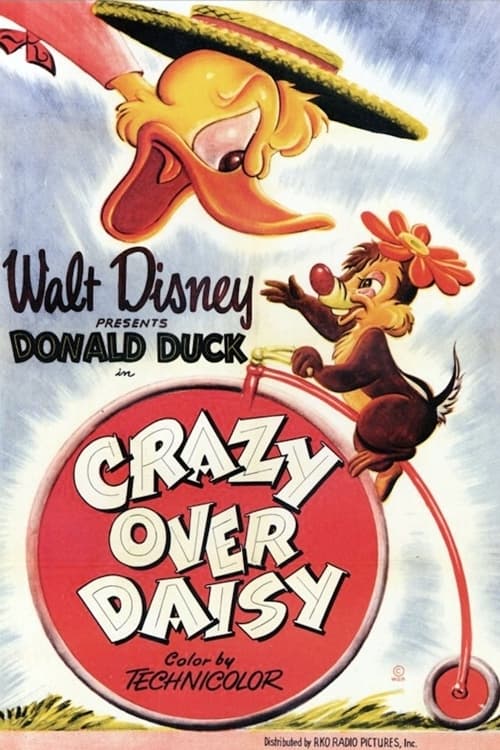
1950
No reviews yet. Be the first to share your thoughts on this movie!
Use the rating form above to leave a star rating and optional review.