
Father and Daughter
2001
No user ratings available yet
Diversity score: 3.8 out of 10

1993
Director
Barry JC Purves
Runtime
11 minutes
Average Rating
No ratings yetSynopsis
A narrator relates the Japanese tale of two lovers who defy their families and society to be together. The tale ends happily, until something happens to make this tale truly Japanese in character.
Overall Score
Fair
Category Breakdown
LGBTQ+ Representation
The film lacks explicit LGBTQ+ characters or narratives. It does not engage with queer identity or offer a critique of heteronormativity through its character arcs.
Gender Representation
Marionette-like figures deconstruct biological gender by focusing on the artifice of performance. However, characters lack active agency, functioning more as vessels for movement than gendered individuals.
Racial & Ethnic Diversity
Rooted in Japanese folklore, the film provides a cultural framework outside the Western canon. The stylized puppets transcend specific ethnic markers but lack specific characters of color.
Religious & Cultural Diversity
The narrative disrupts traditional family ideals by centering lovers who defy societal constraints. Its conclusion challenges Western tropes by embracing a more nuanced, potentially fatalistic Japanese perspective.
Disability Representation
There are no discernible depictions of physical or neurodivergent disabilities. The mechanical nature of the characters is a stylistic choice rather than a representation of disability.
Strengths
Areas for Improvement
AI Analysis
Screen Play is a postmodern exploration of the relationship between creator and creation. It avoids aggressive identity politics, opting instead for aesthetic abstraction and the deconstruction of Western narrative structures. The film finds progressive value in its embrace of non-Western folklore and its use of puppetry to move away from conventional human hierarchies. This stylistic choice allows for a departure from traditional biological imperatives. Ultimately, the work is limited by its brevity. It prioritizes the artifice of the performer over character-driven intersectionality, resulting in a moderate diversity profile.
2001
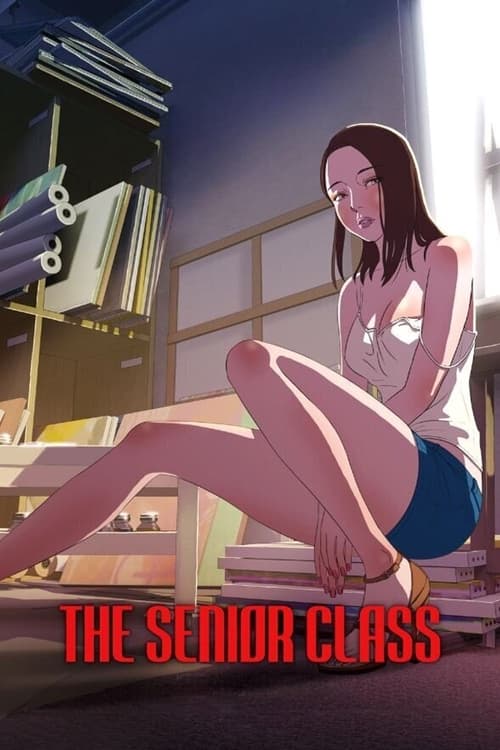
2016
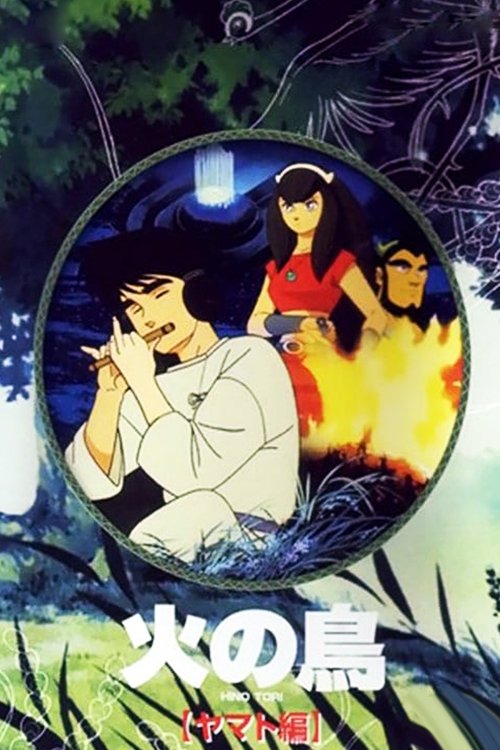
1987
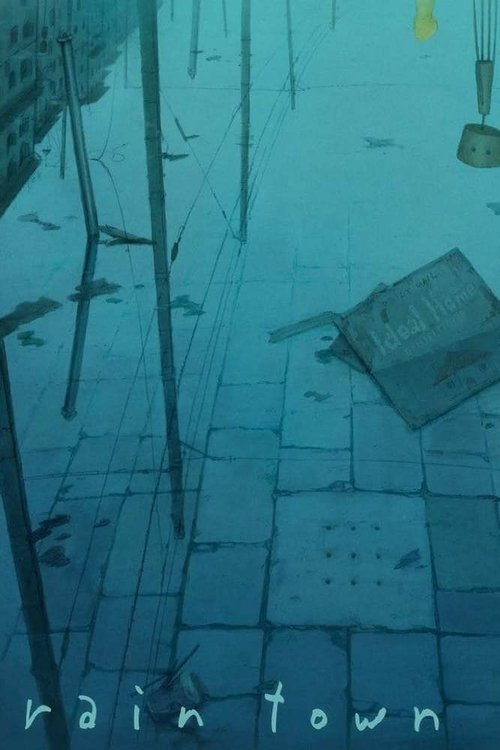
2011
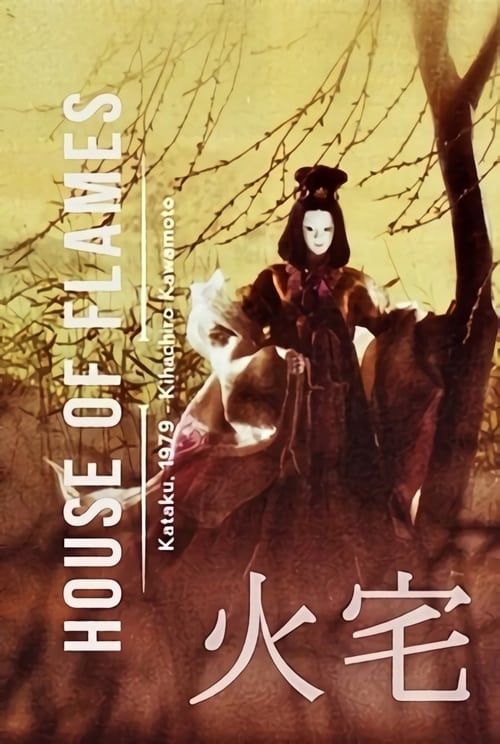
1979
2010

2014

1972
2010

2021

2005

2011
No reviews yet. Be the first to share your thoughts on this movie!
Use the rating form above to leave a star rating and optional review.