
Eternal Love
1929
No user ratings available yet
Representation score: 4.1 out of 10
Representation Score
Limited
1923
Director
Ernst Lubitsch
Runtime
15 minutes
Average Rating
No ratings yetNew Showbiz Analysis
Die Flamme is a period drama set in the homogeneous society of 19th-century Parisian aristocracy. While it lacks diverse representation, it provides a nuanced exploration of personal desires versus societal expectations. The film’s strength lies in its potential to challenge traditional gender roles. By focusing on a woman driven by her own desires, it questions conventional ideas of feminine virtue and patriarchal control. However, the narrative remains confined to traditional European social structures. The absence of LGBTQ+ identities or racial diversity keeps the film rooted in the limited perspectives of its time.
Category Breakdown
The film does not include any explicit LGBTQ+ characters or non-straight relationships. Its focus is on a marriage and infidelity, emphasizing traditional romantic structures.
The story revolves around a hedonistic woman who navigates the constraints of an aristocratic marriage. This character prioritizes her own desires and actions over the stability of a patriarchal household.
Set in 19th-century Paris, the film focuses on the aristocracy. There is no indication of race-bent casting or a diverse cast within this specific social class.
The film examines traditional social institutions like marriage through themes of hedonism. It delves into subjective morality rather than strict religious or cultural adherence.
There is no evidence of physical or neurodivergent disabilities being portrayed in this work.
Present on Screen
Limited or Absent
Official Synopsis
In 19th century Paris a hedonistic woman marries an aristocrat but has trouble keeping faithful to him.
1929

1930
1918
1935
1917
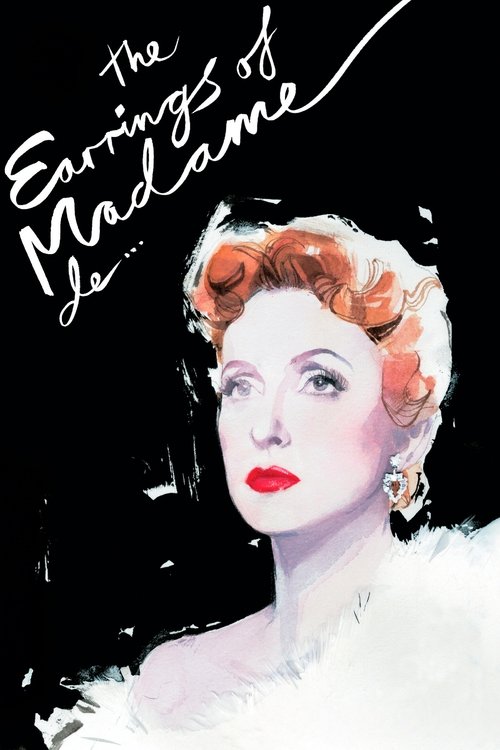
1953
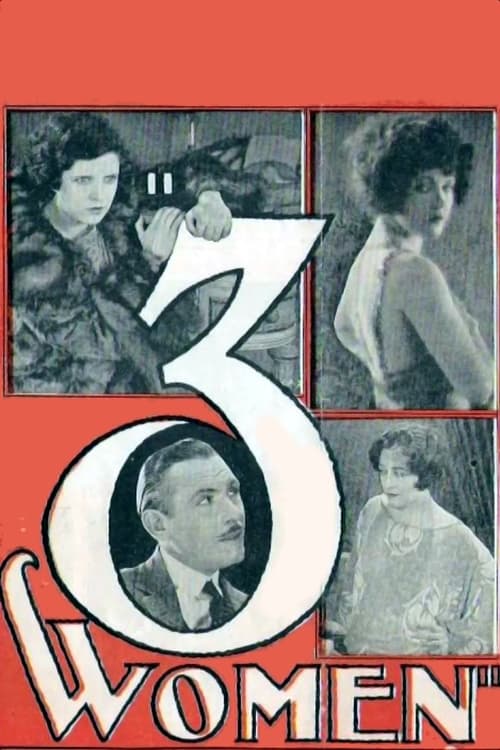
1924
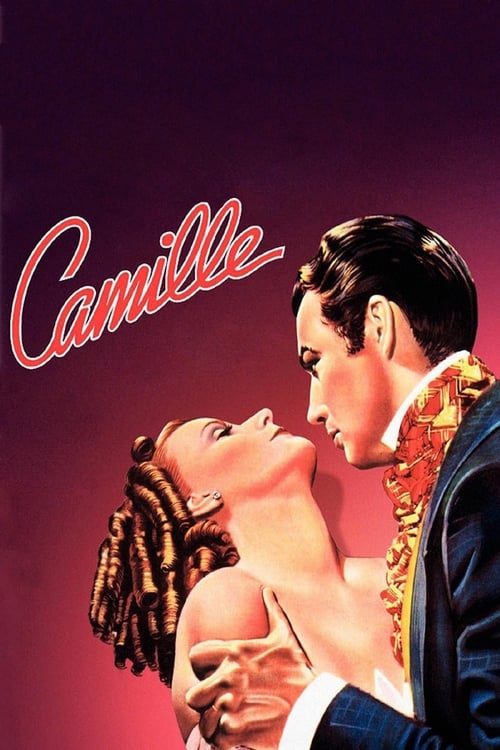
1936
No reviews yet. Be the first to share your thoughts on this movie!
Use the rating form above to leave a star rating and optional review.