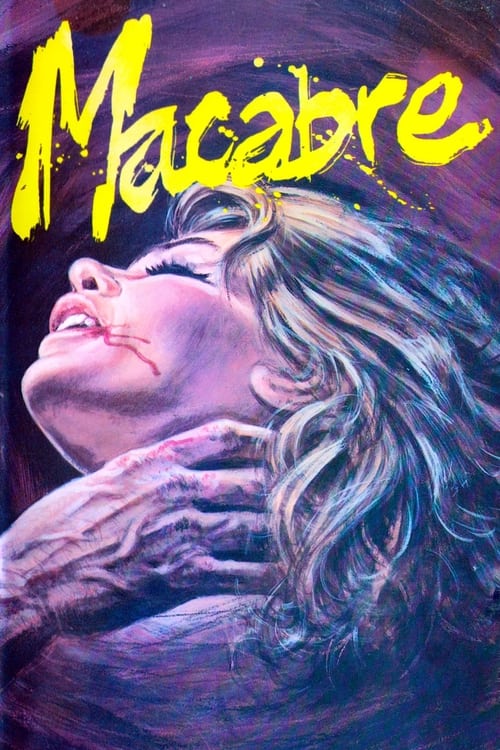
Macabre
1980
No user ratings available yet
Diversity score: 2.8 out of 10
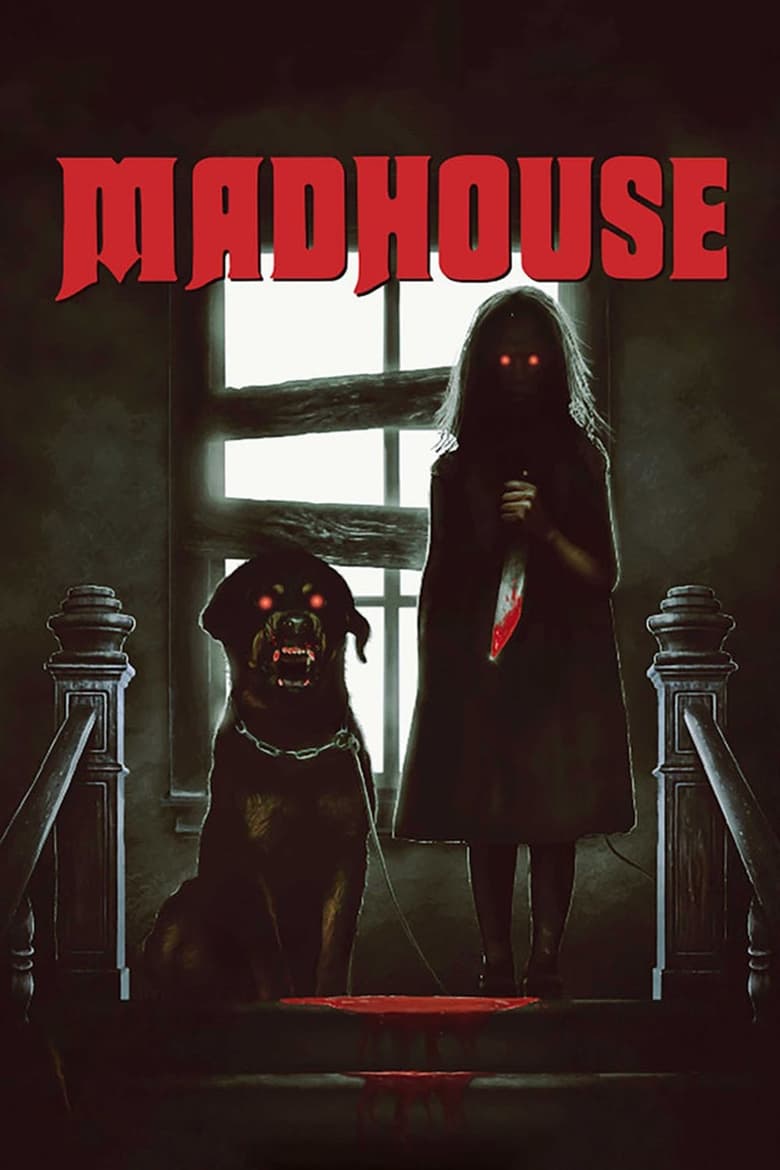
1981
RDirector
Ovidio G. Assonitis
Runtime
93 minutes
Average Rating
No ratings yetSynopsis
A woman is pursued by her murderous, psychopathic twin sister in the days leading up to their birthday.
Overall Score
Limited
Category Breakdown
LGBTQ+ Representation
The film lacks discernible LGBTQ+ characters or narratives. There is no evidence of queer-coded subtext or engagement with non-heteronormative orientations.
Gender Representation
The story centers on female protagonists, providing visibility for women in a violent setting. However, characters rely on traditional victim and aggressor archetypes rather than subverting gender hierarchies.
Racial & Ethnic Diversity
The cast appears largely homogeneous, reflecting a traditional Eurocentric casting approach. There is no evidence of significant racial mixing or non-white characters driving the narrative.
Religious & Cultural Diversity
The psychiatric setting depicts a breakdown of institutional order. This chaos serves the slasher aesthetic rather than functioning as a critique of Western institutions or systemic oppression.
Disability Representation
Characters with mental health conditions are central to the plot. However, mental illness is primarily utilized as a source of terror and a driver of instability.
Strengths
Areas for Improvement
AI Analysis
Madhouse is a psychological horror film that prioritizes visceral terror and genre tropes over social commentary. While it places women at the center of the narrative, it does so through established horror archetypes rather than through a deconstruction of social roles. The film's approach to disability is problematic, as it uses psychiatric conditions primarily as plot devices to generate fear. This reliance on mental instability as a source of horror limits the depth of the characterizations. Ultimately, the production reflects the era's cinematic conventions, favoring a homogeneous cast and a narrow focus on individual pathology over intersectional representation or systemic critique.
1980
1982
1983
1971
1979
1983
1969
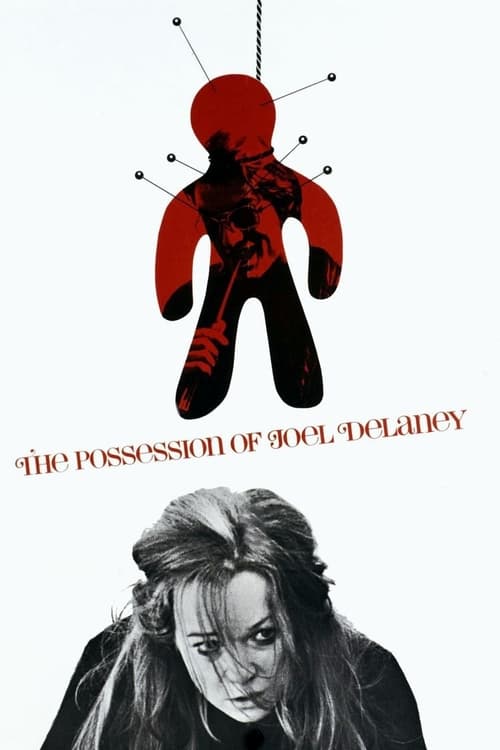
1972
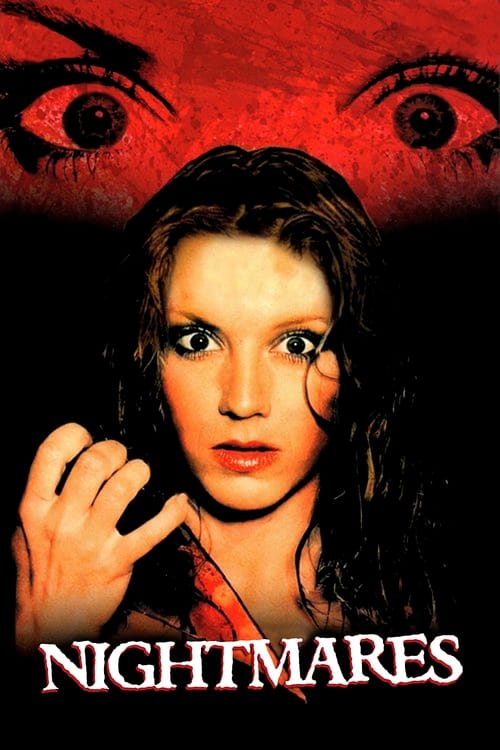
1980
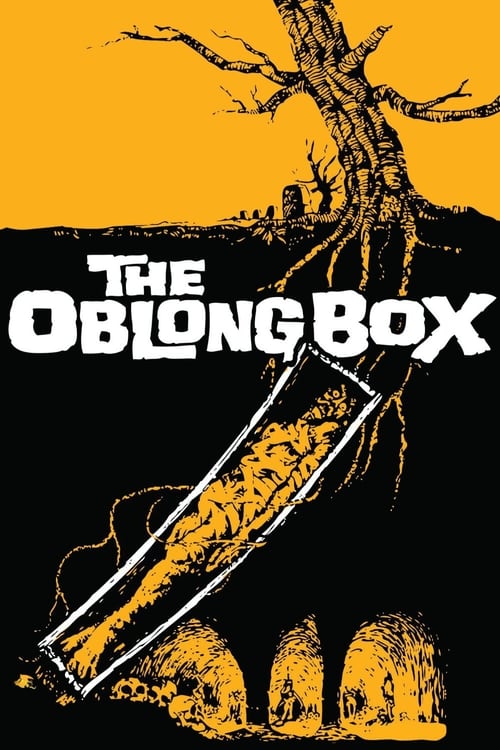
1969
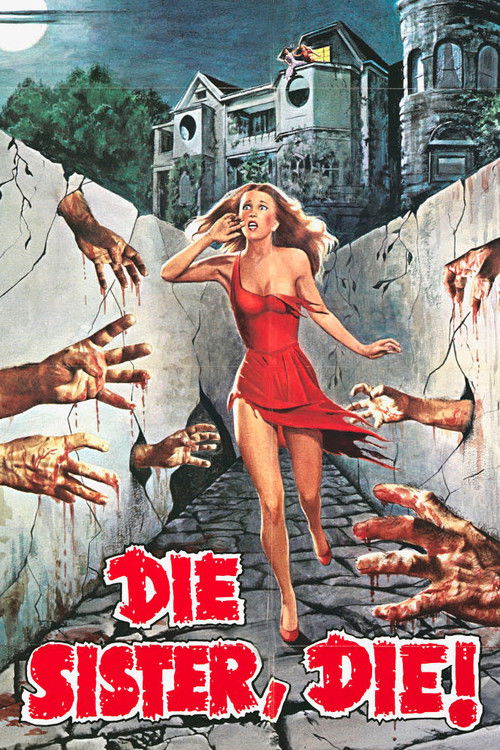
1978

2000
No reviews yet. Be the first to share your thoughts on this movie!
Use the rating form above to leave a star rating and optional review.