Heartbeat
1983
No user ratings available yet
Representation score: 4.0 out of 10
Representation Score
Limited
1980
RDirector
Lamberto Bava
Runtime
91 minutes
Average Rating
No ratings yetNew Showbiz Analysis
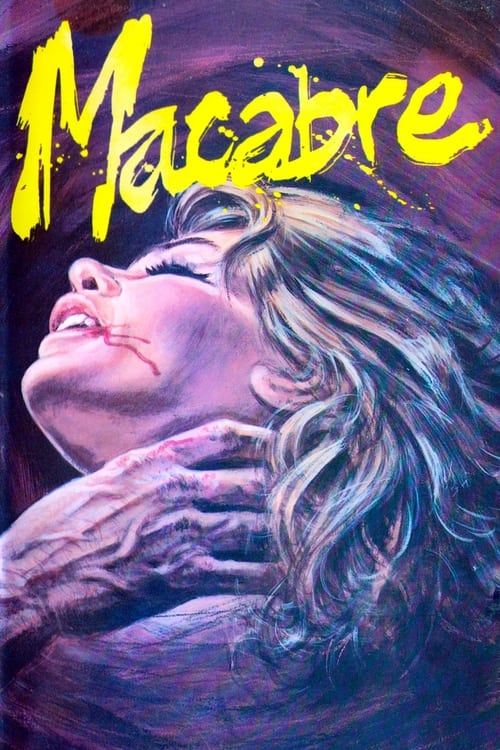
Macabre is a traditional psychological horror film that prioritizes atmospheric tension and individual trauma over social or characters who reflect more than one aspect of diversity. The narrative structure follows established genre clichés of the era, focusing on a singular, obsessive character study. The film does not engage with systemic social critiques, such as racial complexity or anti-institutional sentiments. While it includes a character with a disability, this presence serves the plot's suspense rather than offering a nuanced exploration of lived experience. Ultimately, the production operates within a conventional framework centered on heterosexual obsession and traditional power structures, offering little in the way of diverse or subversive perspectives.
Category Breakdown
The film does not depict any non-binary gender identities or same-sex relationships. It focuses solely on a heterosexual romantic storyline.
The female protagonist drives the plot through her psychological role. However, her importance is tied to her relationship with a deceased male figure, following traditional gender roles of the 1980s.
Set in New Orleans, the film does not explore racial or ethnic diversity. The cast appears largely uniform without highlighting diverse backgrounds.
The story emphasizes individual psychological terror rather than institutional critique. It avoids challenging Western social norms, focusing instead on personal morality and madness.
A blind landlord is introduced, representing a sensory disability. This character primarily serves to heighten suspense and suspicion in the plot.
Present on Screen
Limited or Absent
Official Synopsis
A middle-aged woman, traumatized from the death of her adulterous lover, moves into a room at a New Orleans boarding house where the blind landlord becomes suspicious to her activities of continuing her affair with her dead lover.
1983
1977

1981
1928
1979
1981

1981
1964
No reviews yet. Be the first to share your thoughts on this movie!
Use the rating form above to leave a star rating and optional review.