Autism in Love
2015
No user ratings available yet
Representation score: 5.8 out of 10
Representation Score
Good
2016
Director
Alexandre Lehmann
Runtime
83 minutes
Average Rating
No ratings yetNew Showbiz Analysis
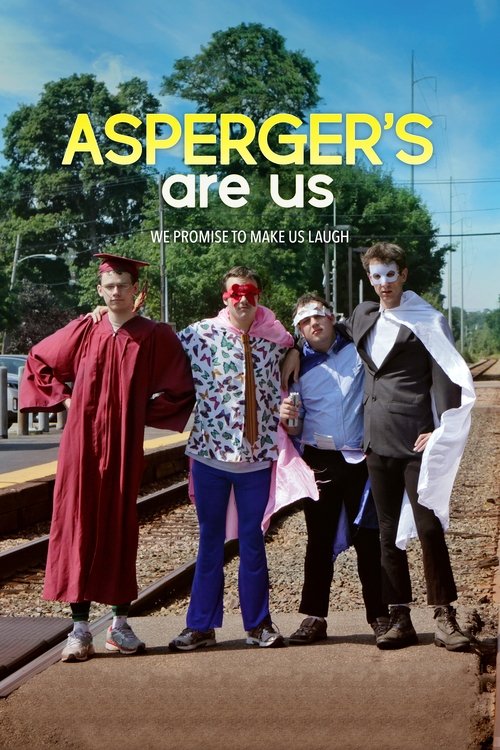
Asperger's Are Us succeeds by subverting the typical 'overcoming adversity' cliché often found in disability media. By focusing on the protagonists' desire for professional respect as comedians, the film grants them dignity and ability to act. However, the film's impact is somewhat limited by its narrow demographic focus, which centers on neurodivergent individuals but lacks significant engagement with multi-layered identities such as race, ethnicity, or LGBTQ+ narratives. Ultimately, the documentary provides a sophisticated look at neurodivergent life, challenging viewers to see these individuals through their talents and humor rather than their perceived deficits.
Category Breakdown
The film does not center LGBTQ+ narratives or romantic pairings. Instead, it focuses on neurodivergent identity.
The story emphasizes male camaraderie within a 'band of brothers.' It avoids traditional male clichés by focusing on vulnerability, social anxiety, and emotional honesty.
As a contemporary French production, the film lacks a multi-ethnic cast. Representation remains centered on the specific social and neurodivergent demographic of the participants.
The film prioritizes the social model of disability, challenging pity-based narratives. It critiques systemic structures demanding conformity by focusing on the friction between neurodivergent and neurotypical societies.
This is the film's strongest element, centering the ability to act of individuals with Asperger’s. The subjects are depicted as active comedians rather than passive recipients of care or 'inspiration porn'.
Present on Screen
Limited or Absent
Official Synopsis
For the members of the comedy troupe Asperger’s Are Us, it’s easier to associate with a faceless audience than with their own families. No matter who the crowd, best friends Noah, New Michael, Jack and Ethan have one simple mantra: “We would much rather the audience appreciate us as comedians than people who have overcome adversity.” In this coming-of-age heartfelt documentary, this band of brothers finds themselves at a crossroad. With real life pulling them apart, they decide to plan one ambitious farewell show before they all go their separate ways. People with Asperger’s don’t deal well with uncertainty, and this is the most uncertain time in their lives.
2015
2016
2007

2010
2018

2023

2020
2019
No reviews yet. Be the first to share your thoughts on this movie!
Use the rating form above to leave a star rating and optional review.